A modular system of designer lamps
From idea to product to sales
Context
I'm an industrial designer and engineer. One day I wanted to make my own product end-to-end. Not someone else's spec — entirely my own. This case is how an idea grew into Probleski, a brand of designer lamps.

Probleski
Role: Product owner, Industrial designer, engineer Product: a line of modular interior lamps Scope: Ideas, sketches, design, prototyping, 3D modelling, manufacturing, iterative approach, packaging, model line
Idea
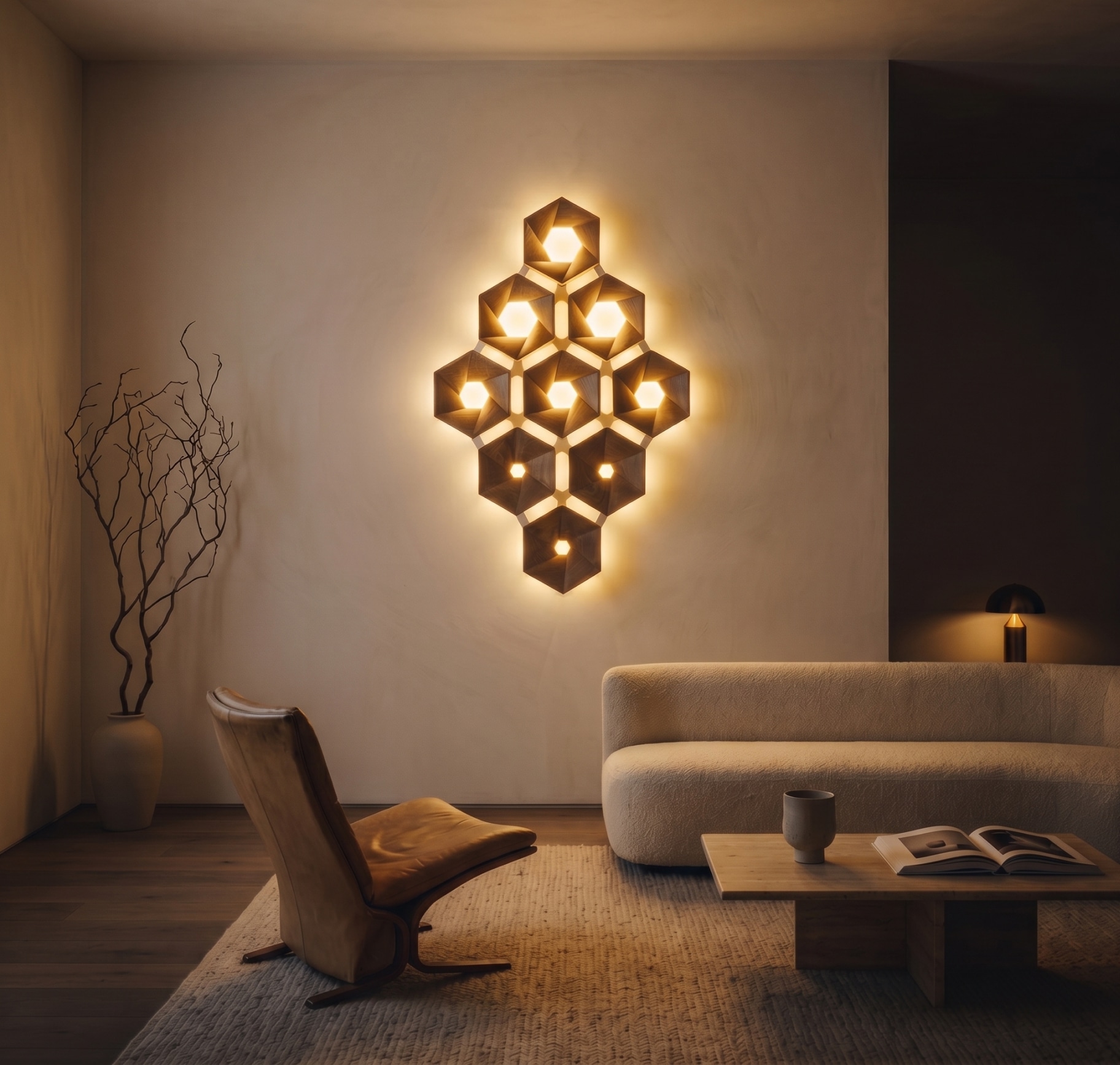
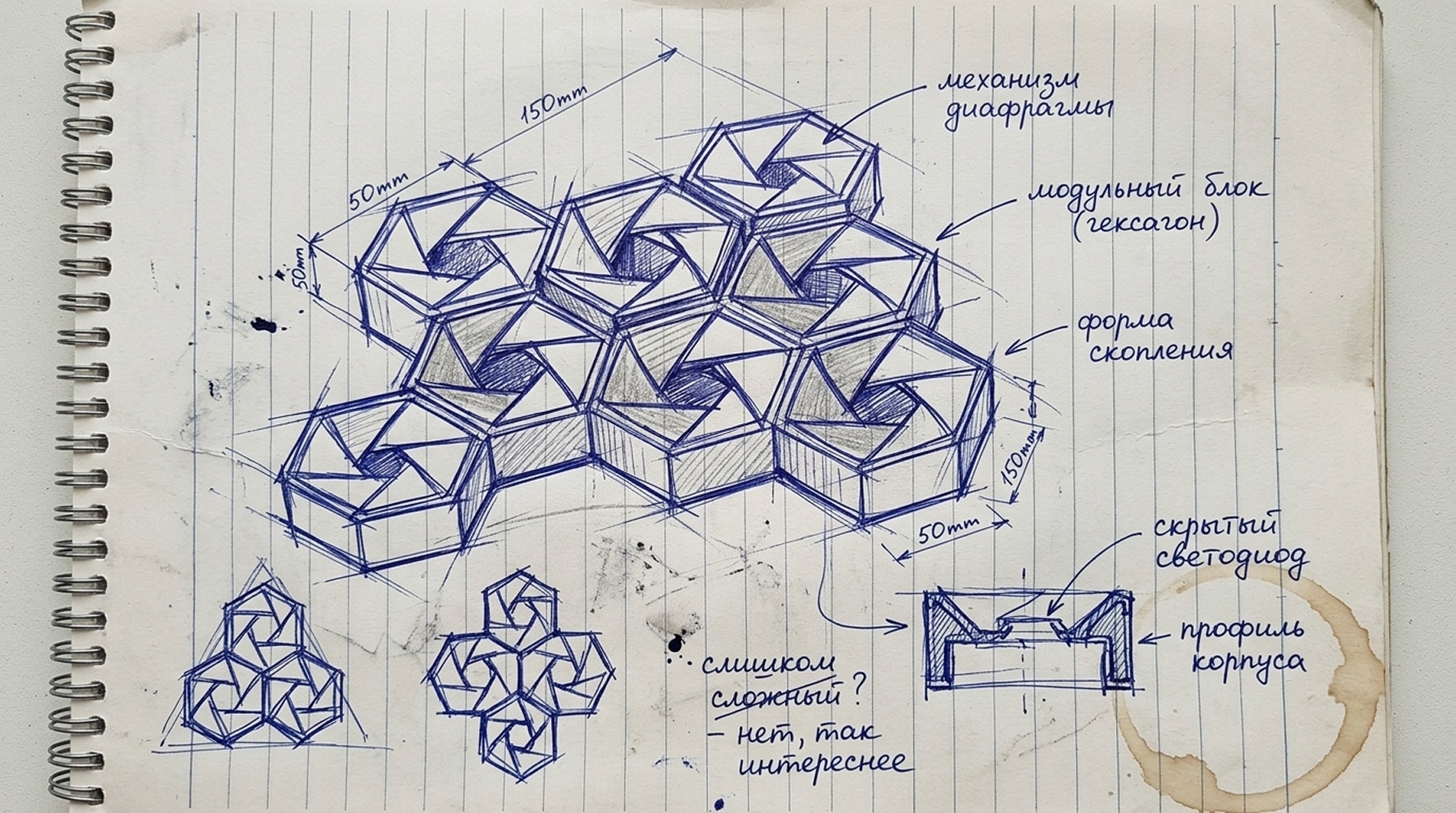
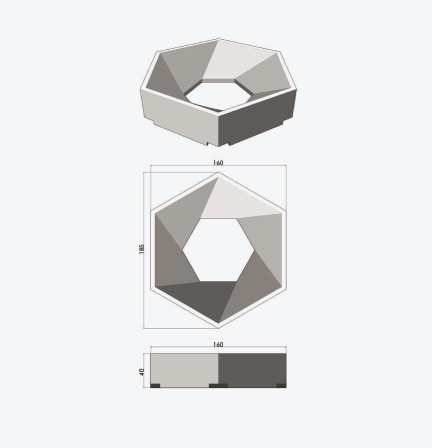
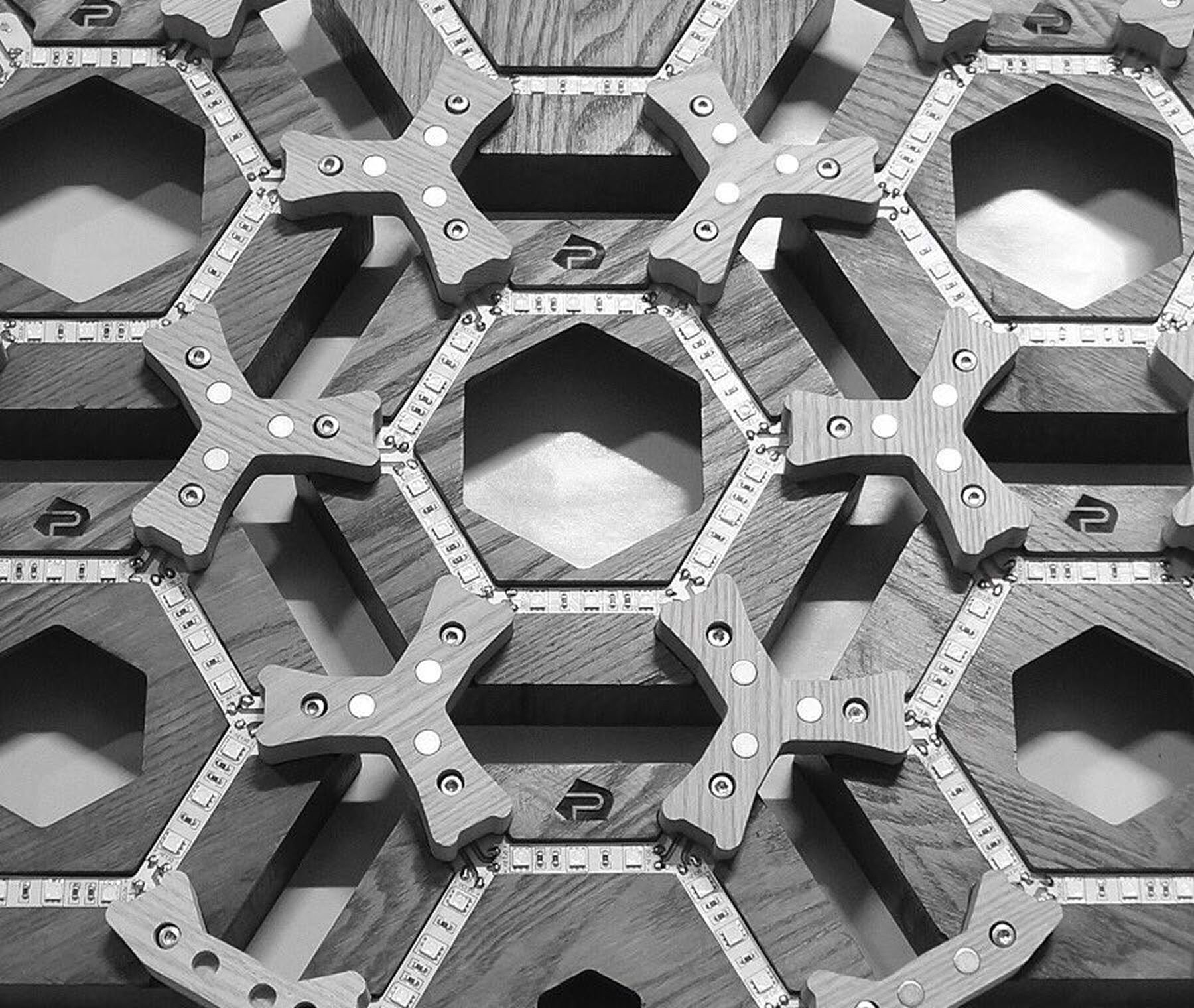
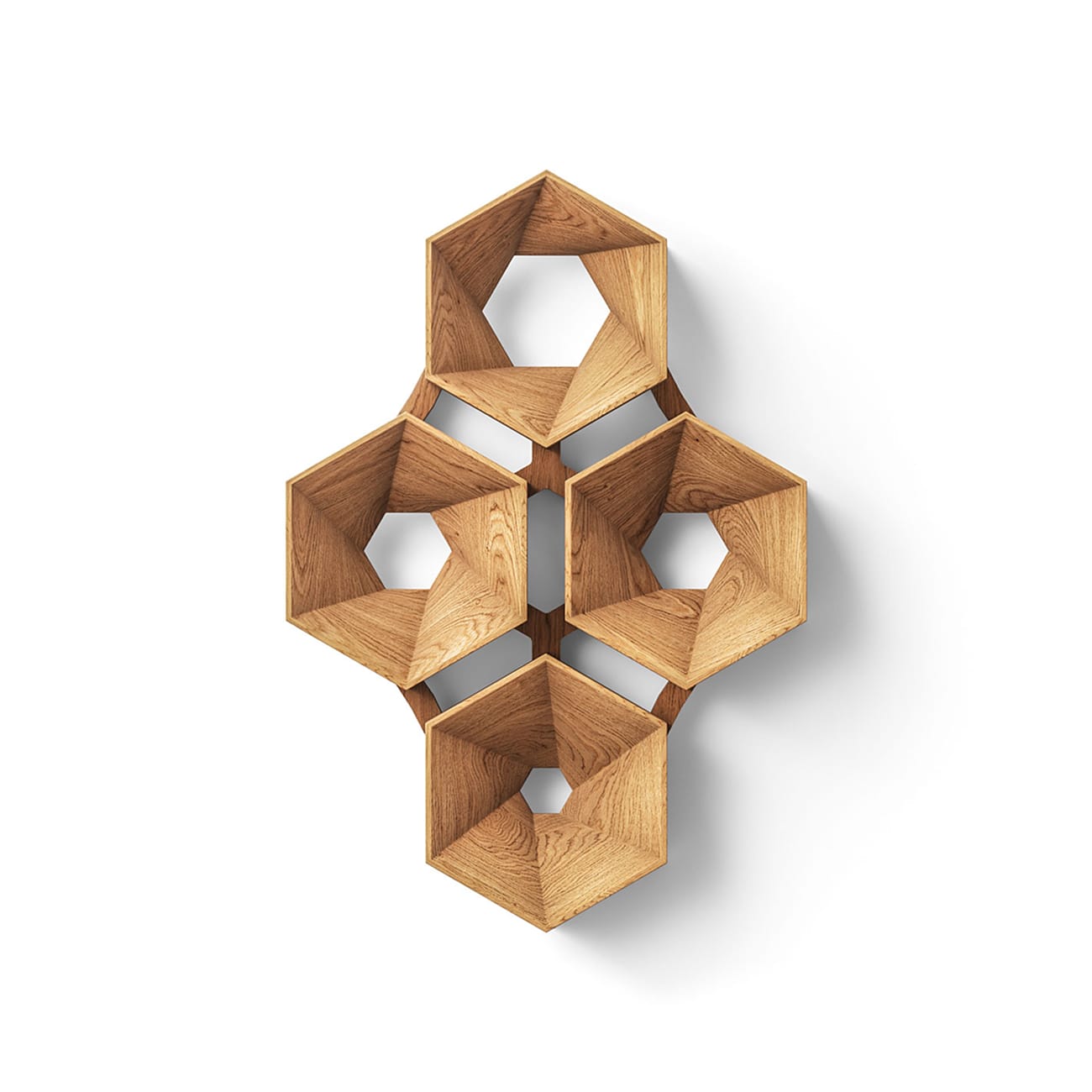
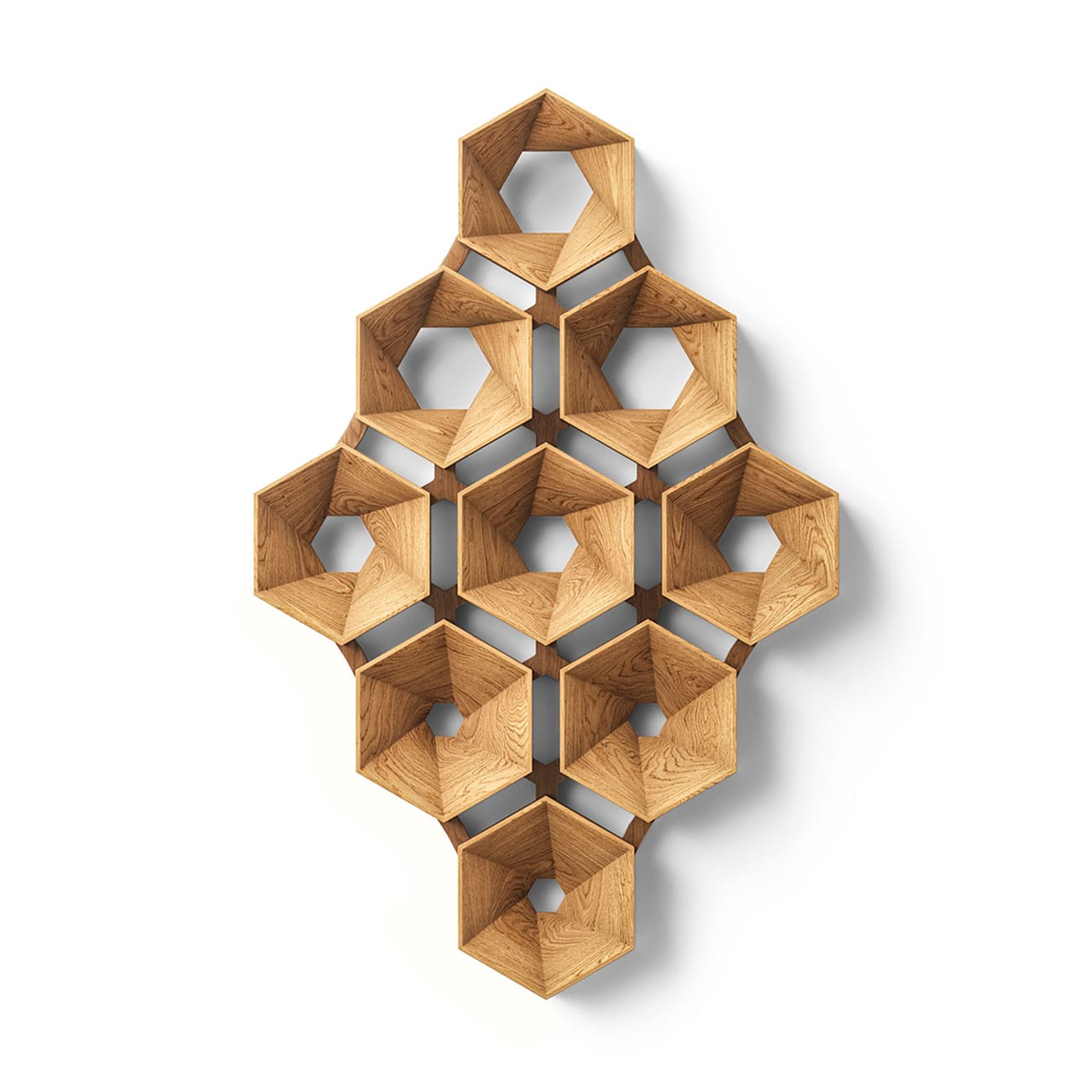
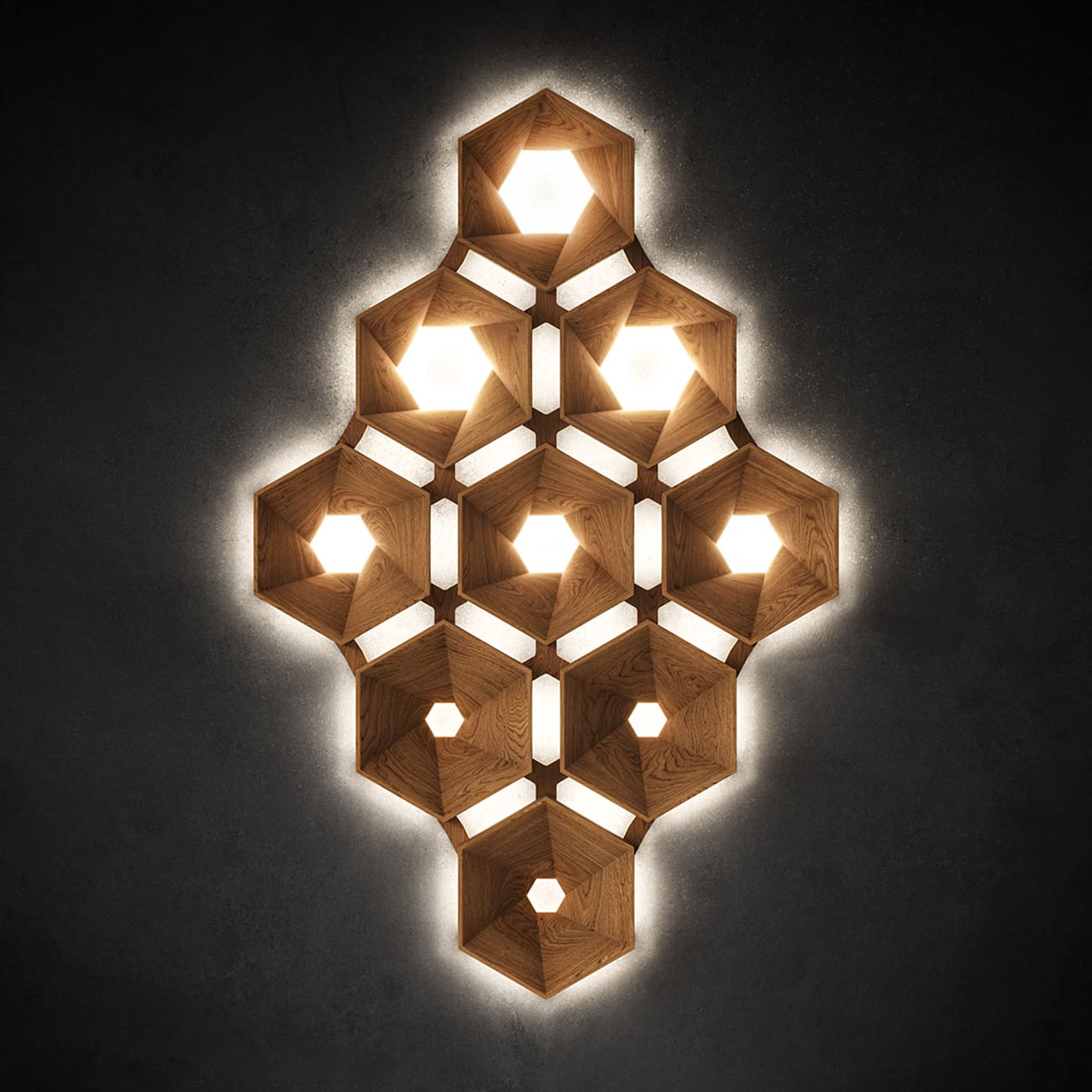
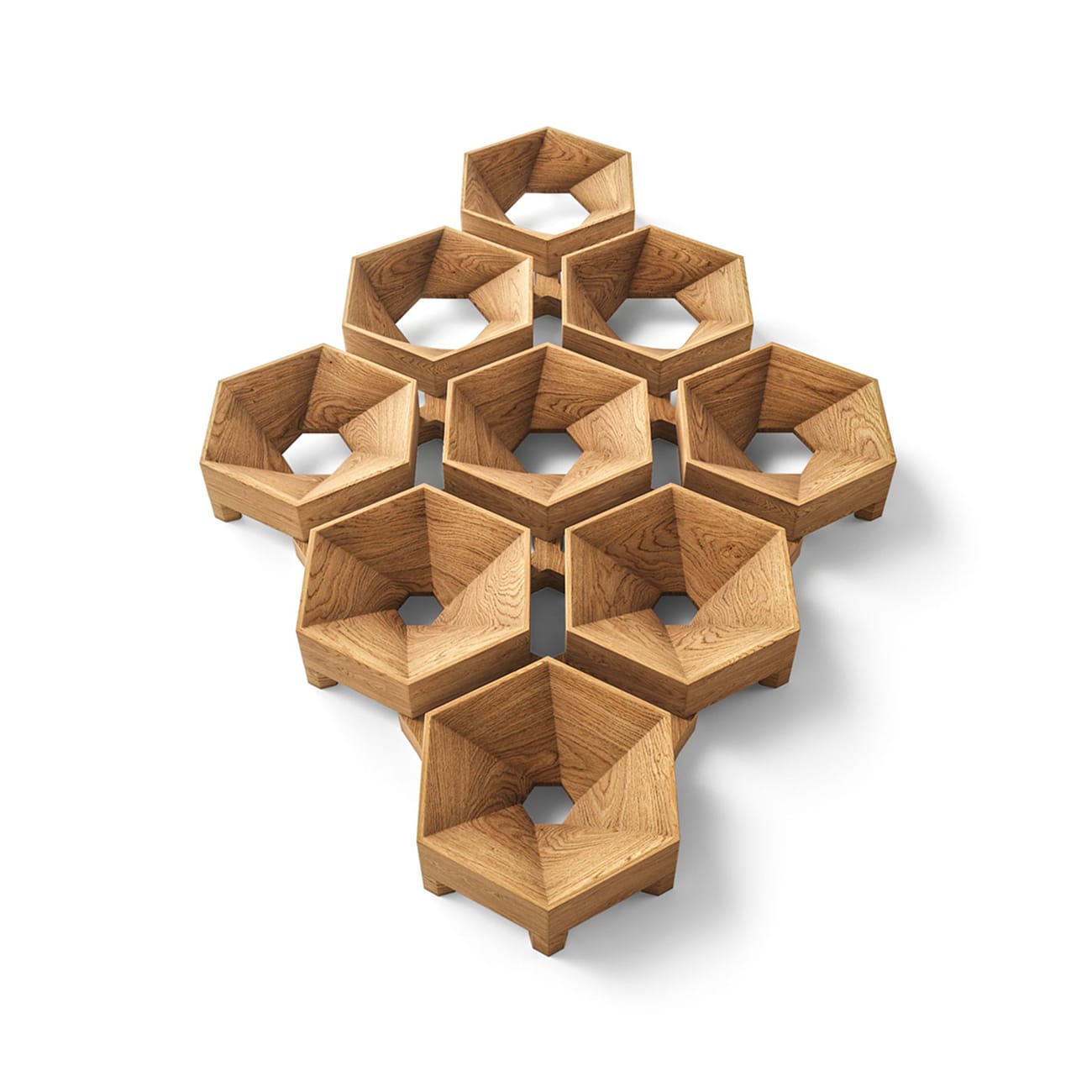
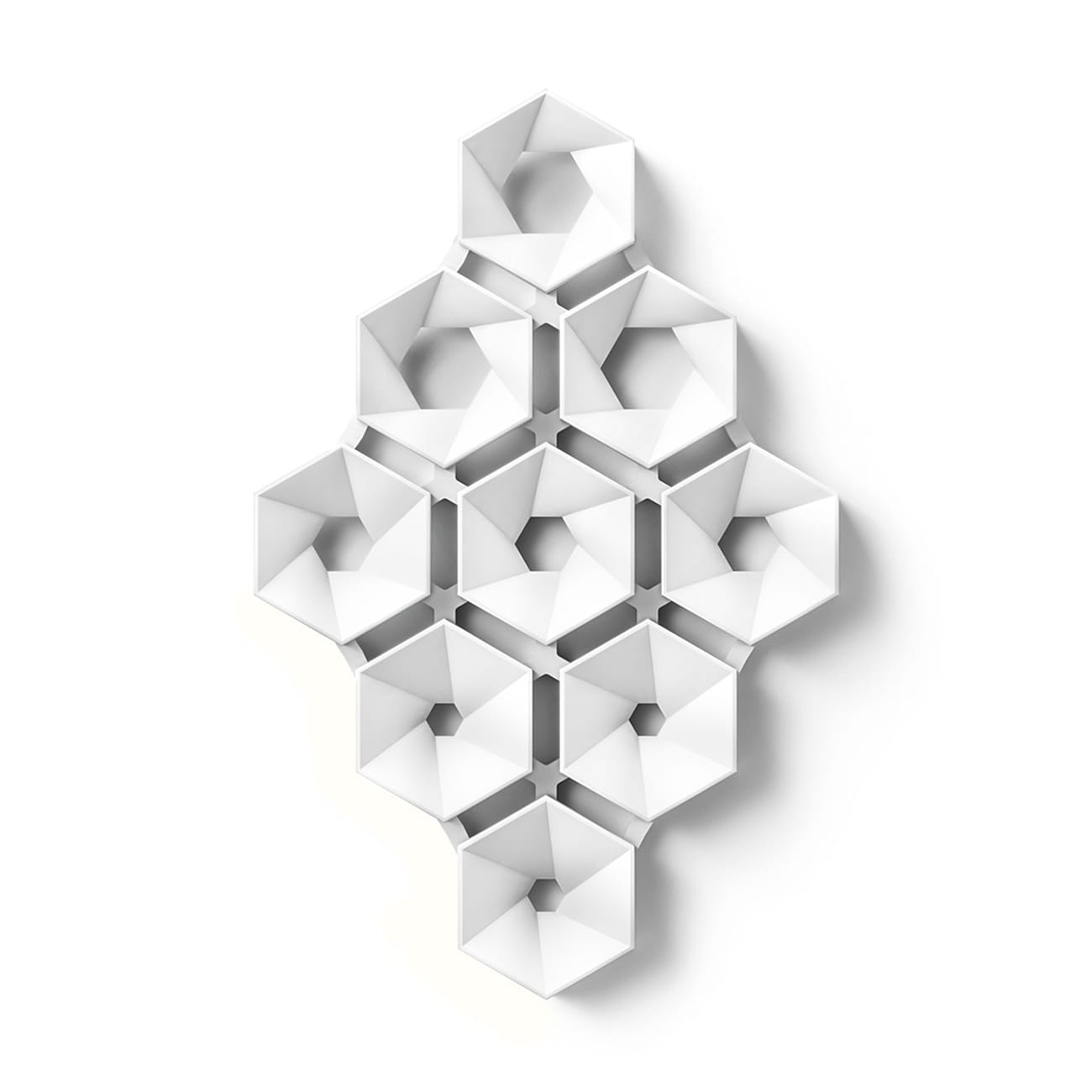
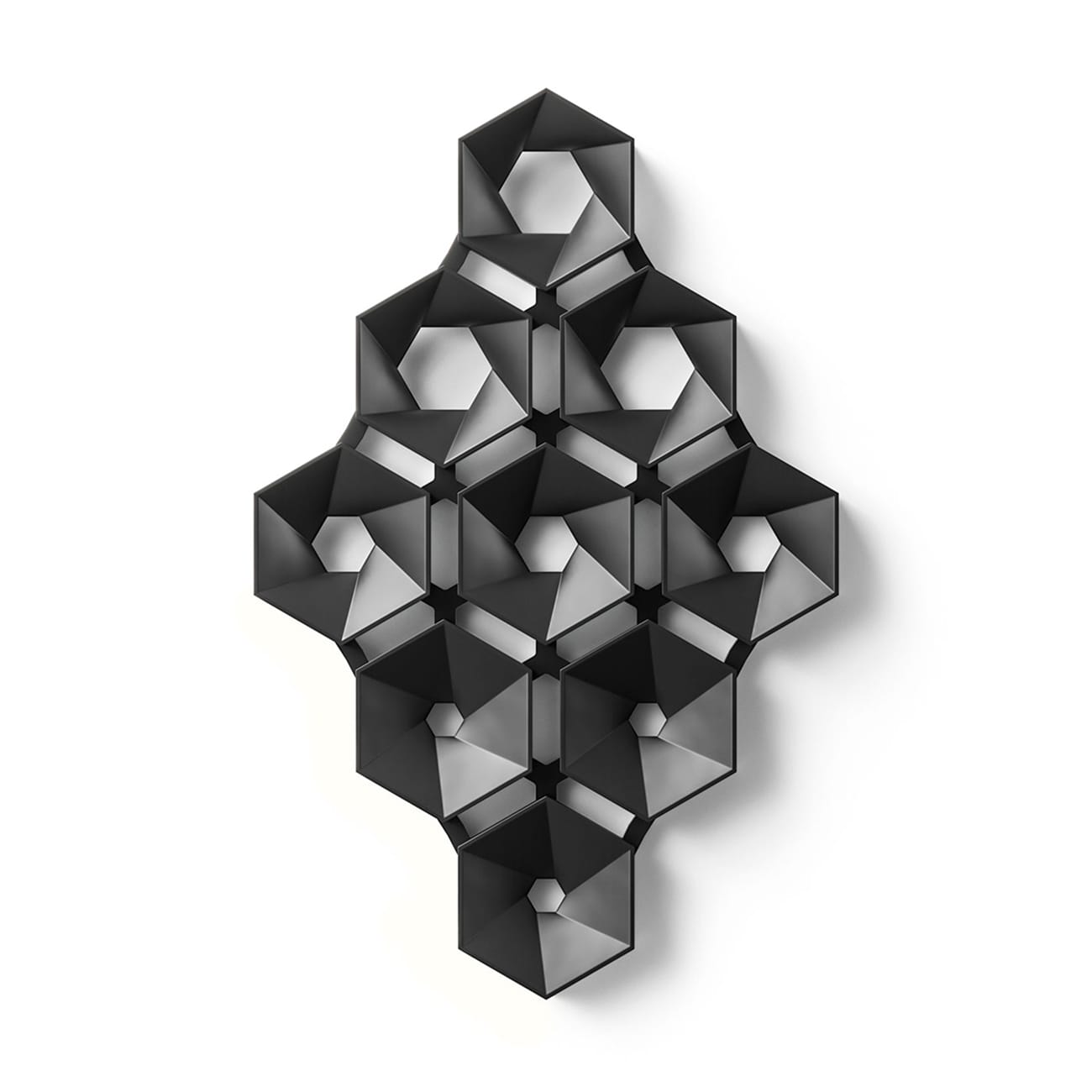
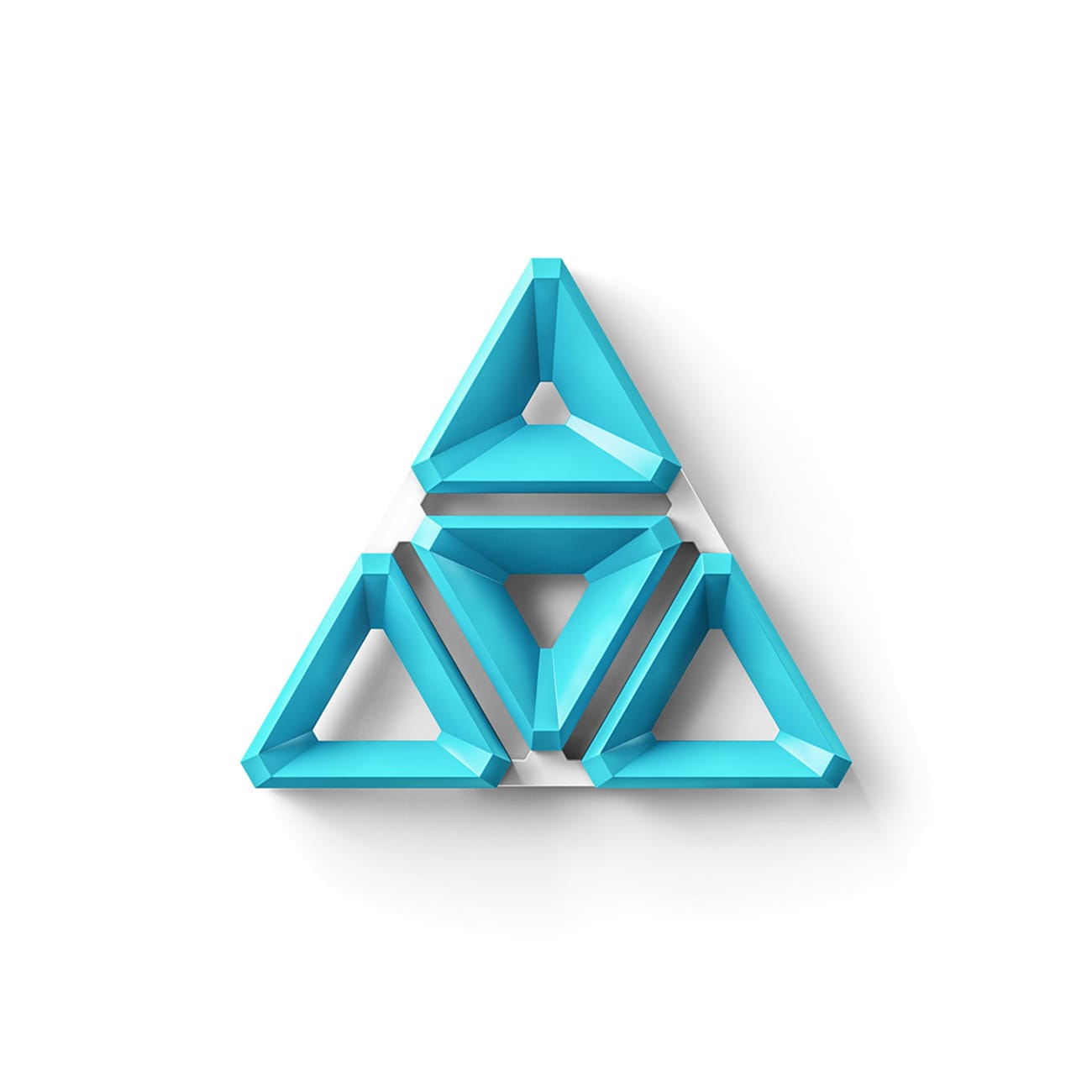
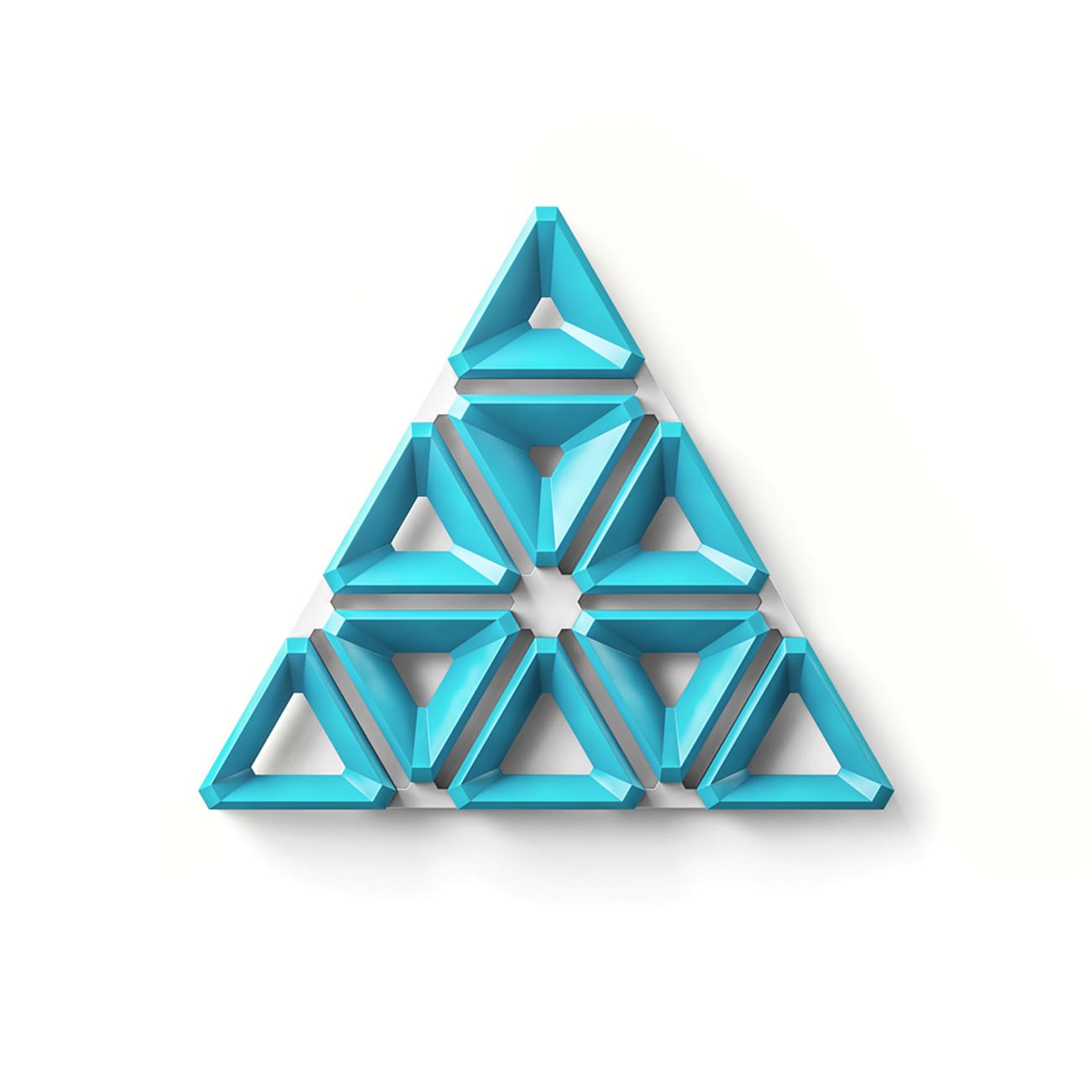
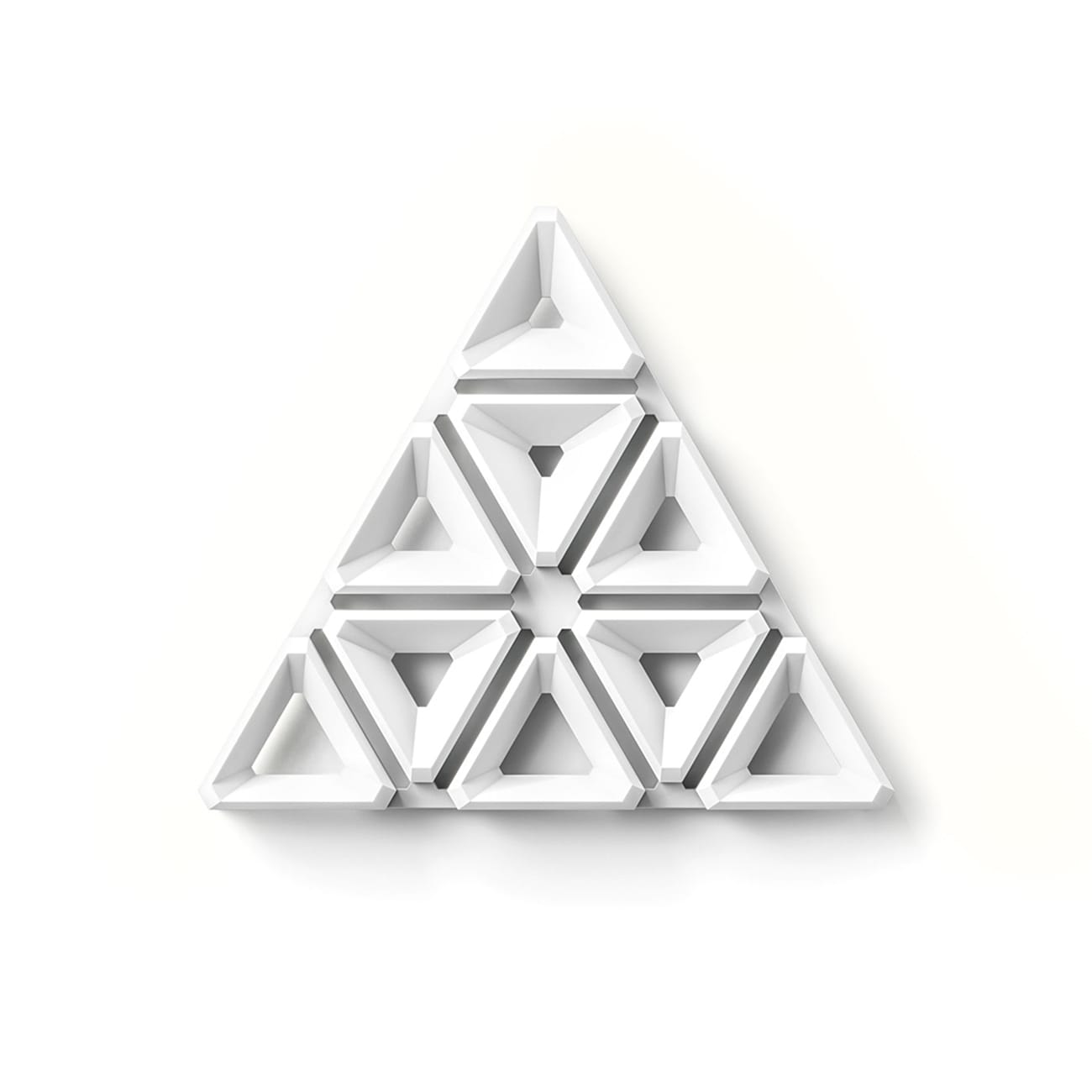
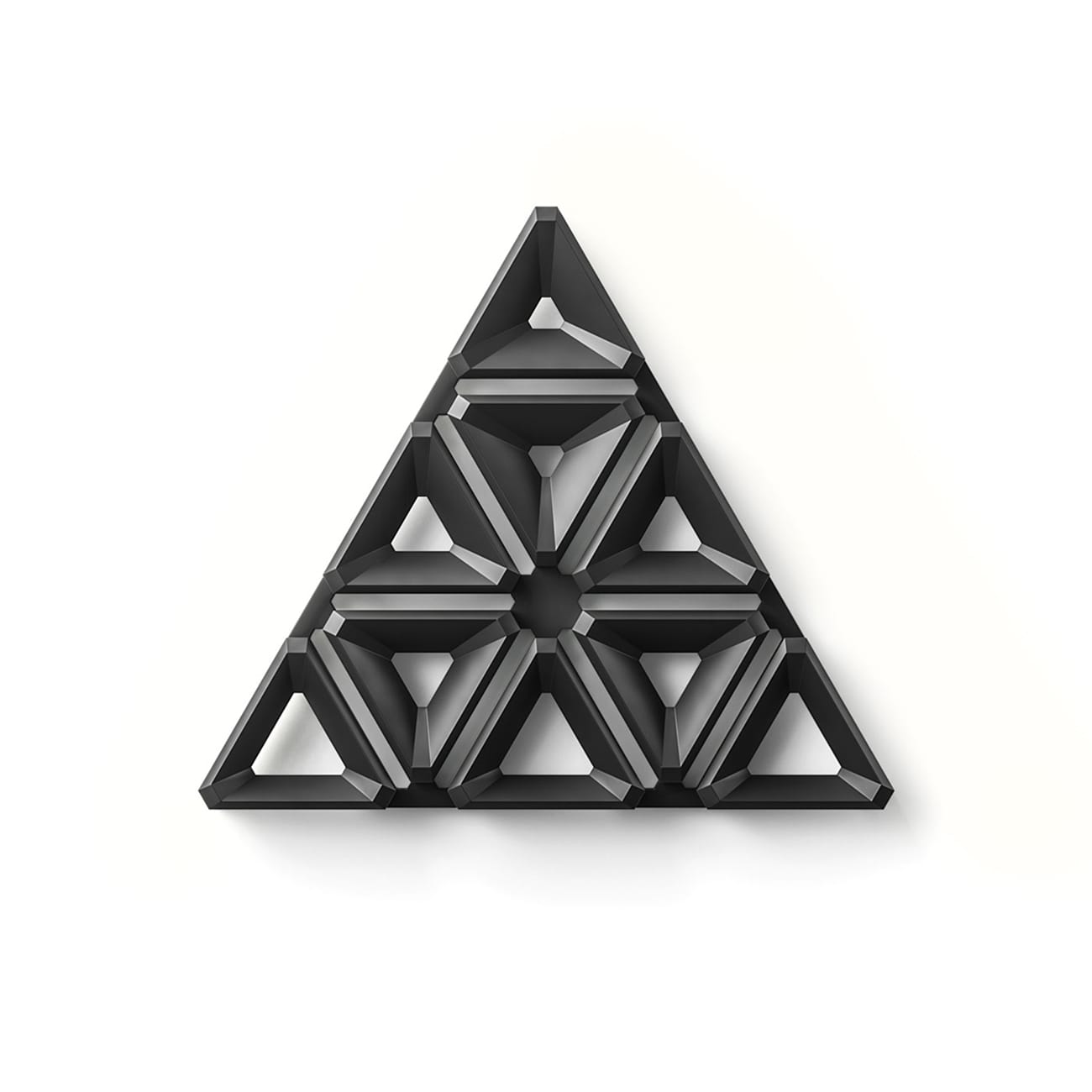
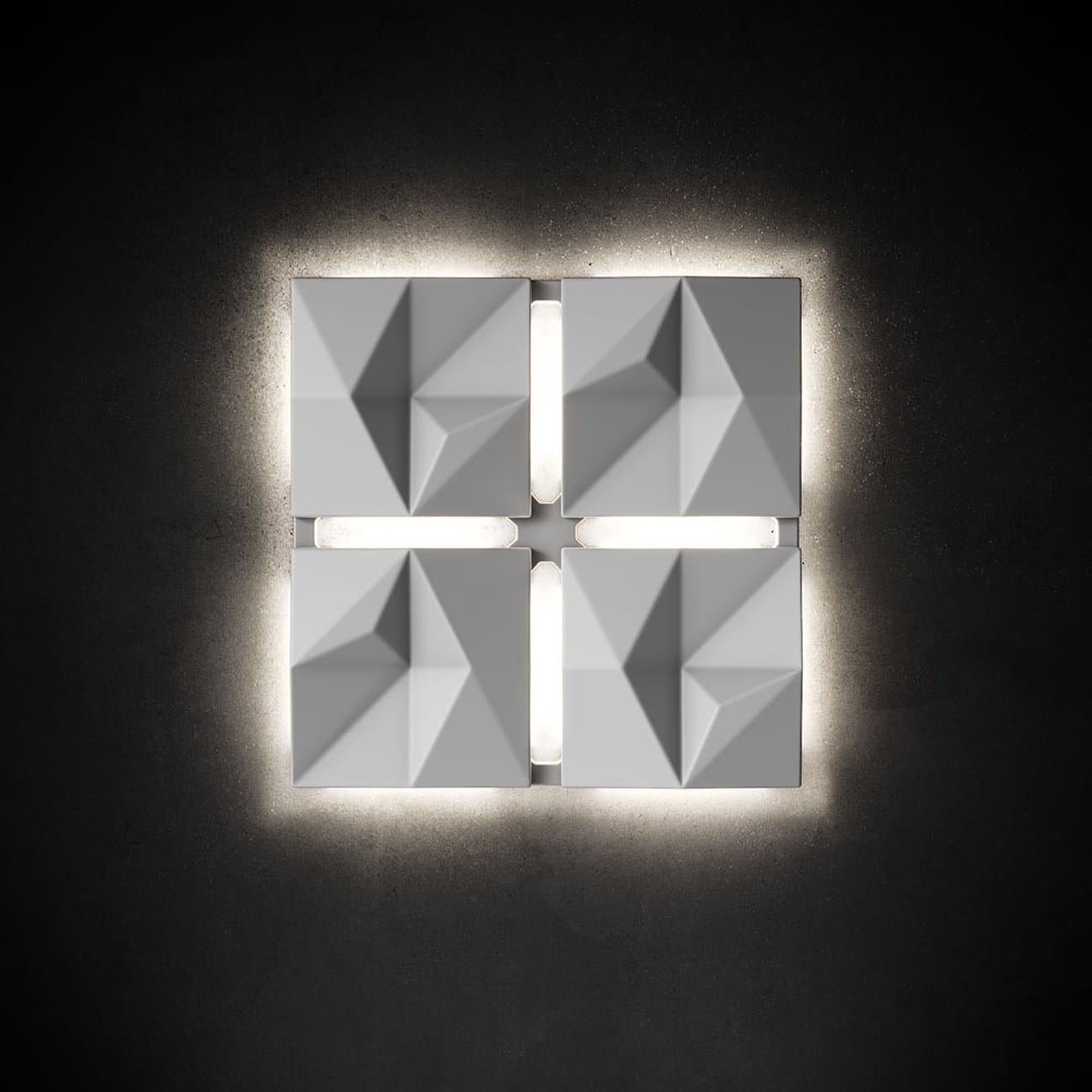
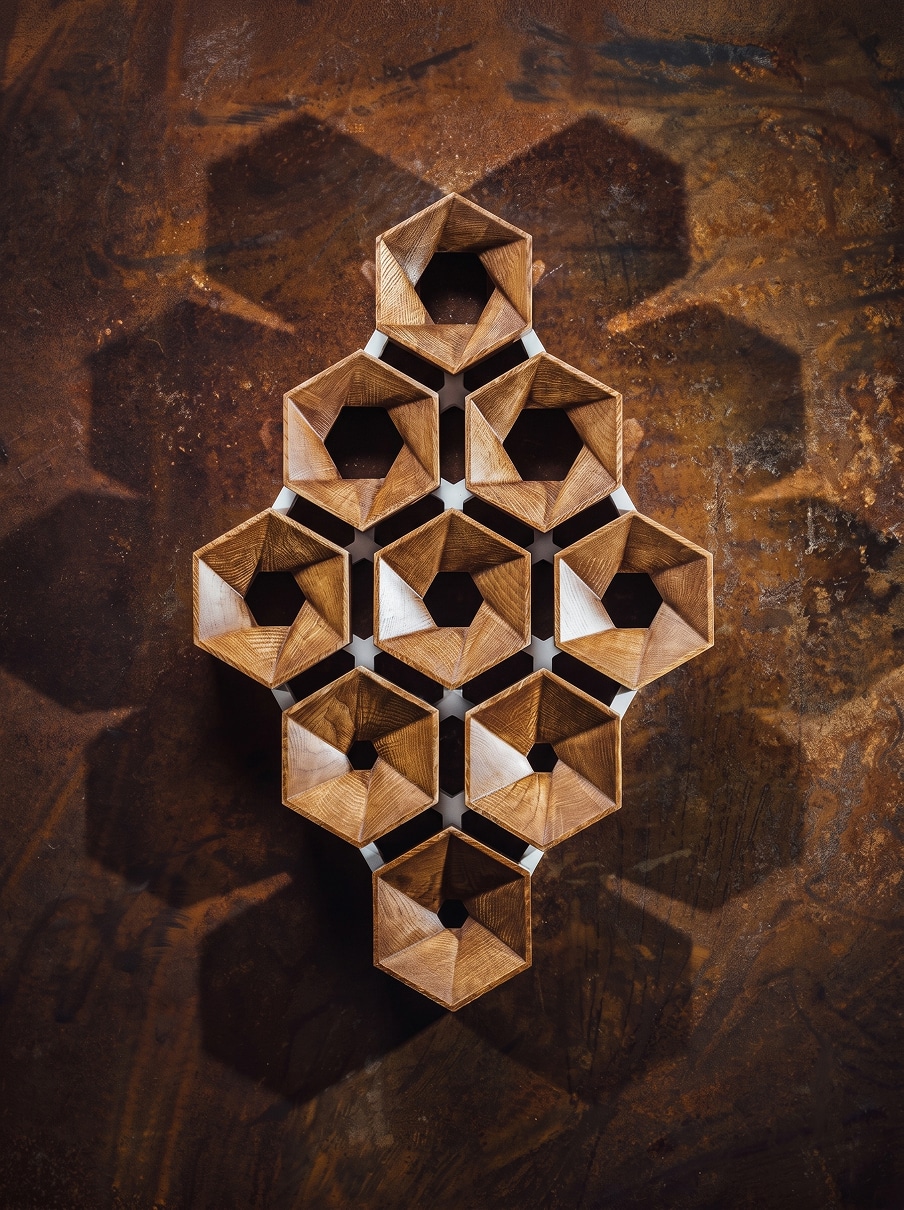
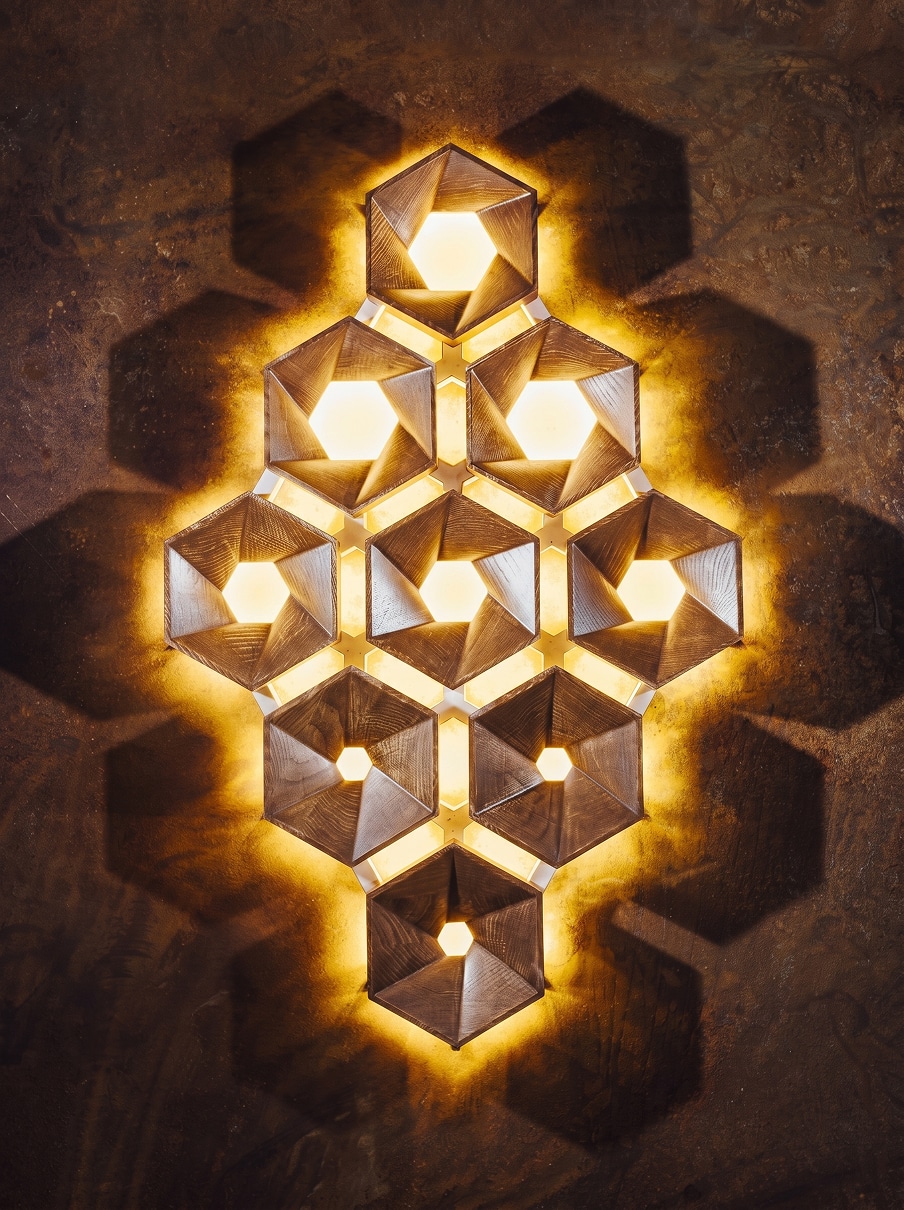
Make not a single lamp but a modular system: one base module that assembles into different configurations for different spaces and scenarios. Why: a typical decorative lamp doesn't fit non-standard walls, niches or formats. A custom one is expensive and slow. A modular system solves both — interior flexibility while keeping serial production. While searching for the form I looked for geometry that tiles well, folds into a beautiful pattern, and plays with light — interesting shadows and reflections. Inspired by a camera diaphragm I went for a hex grid with varying central aperture — this creates a parametric effect.

The modular system
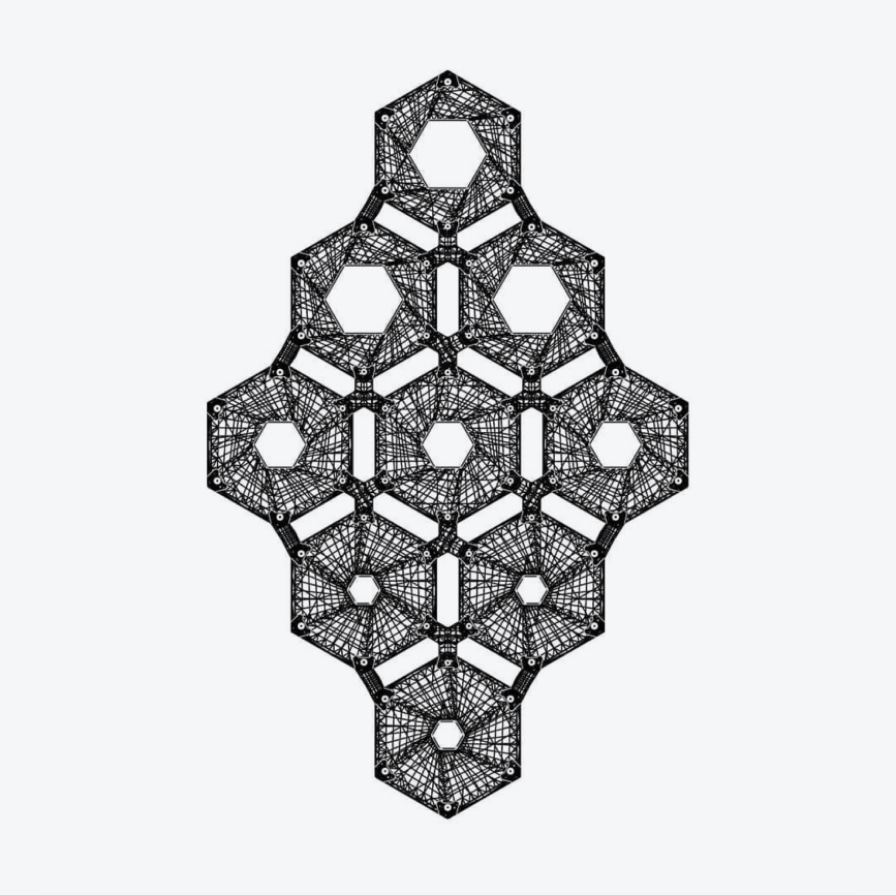
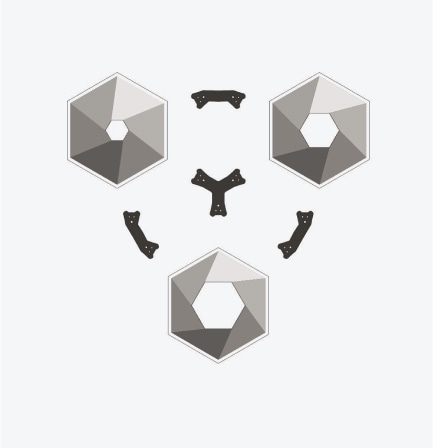
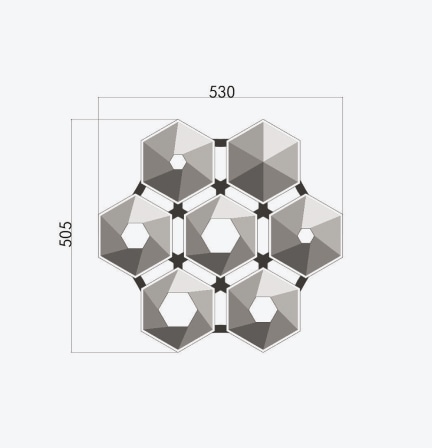
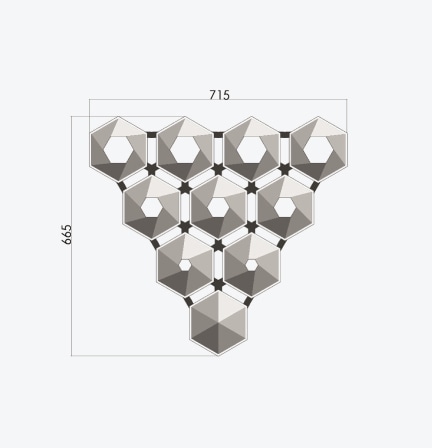
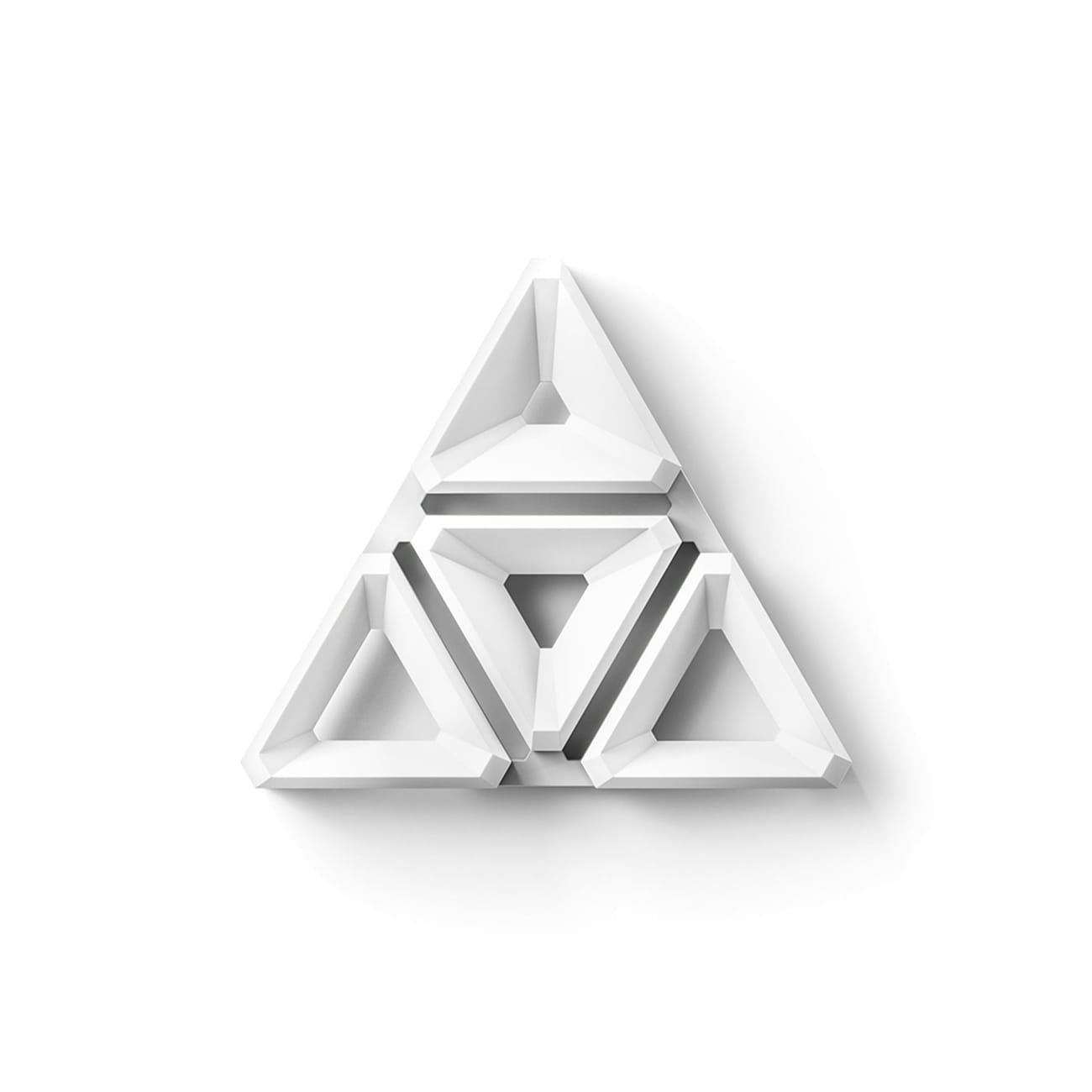
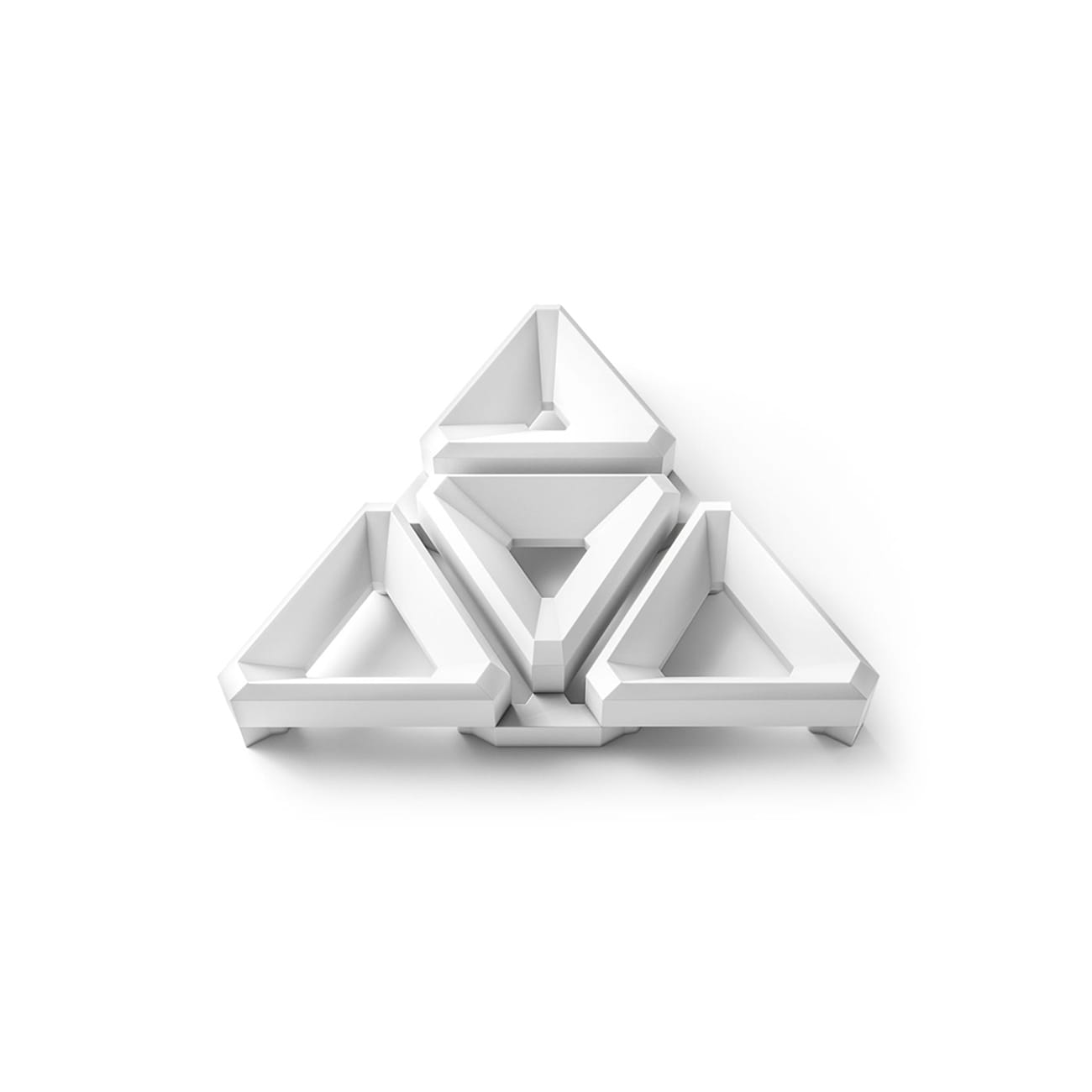
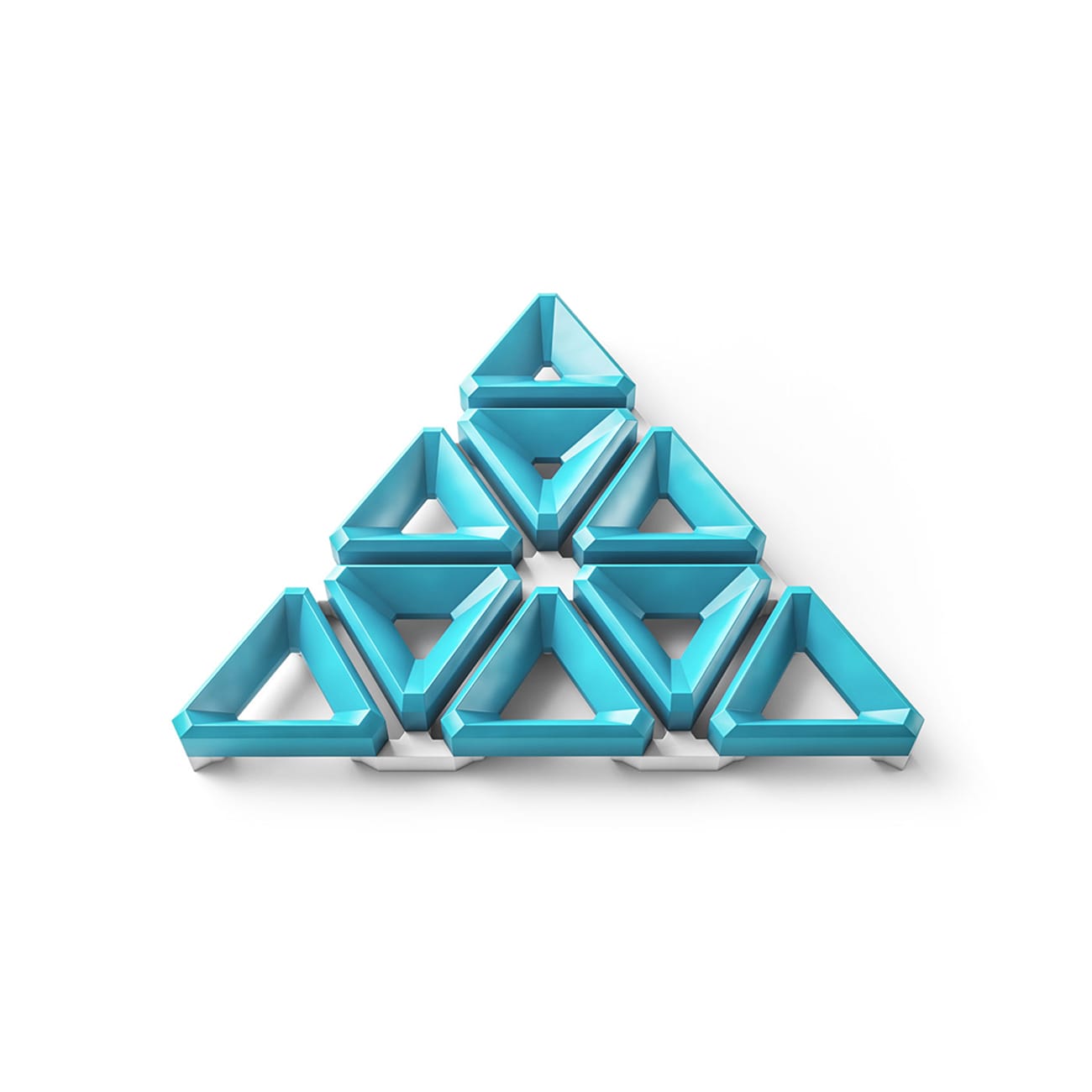
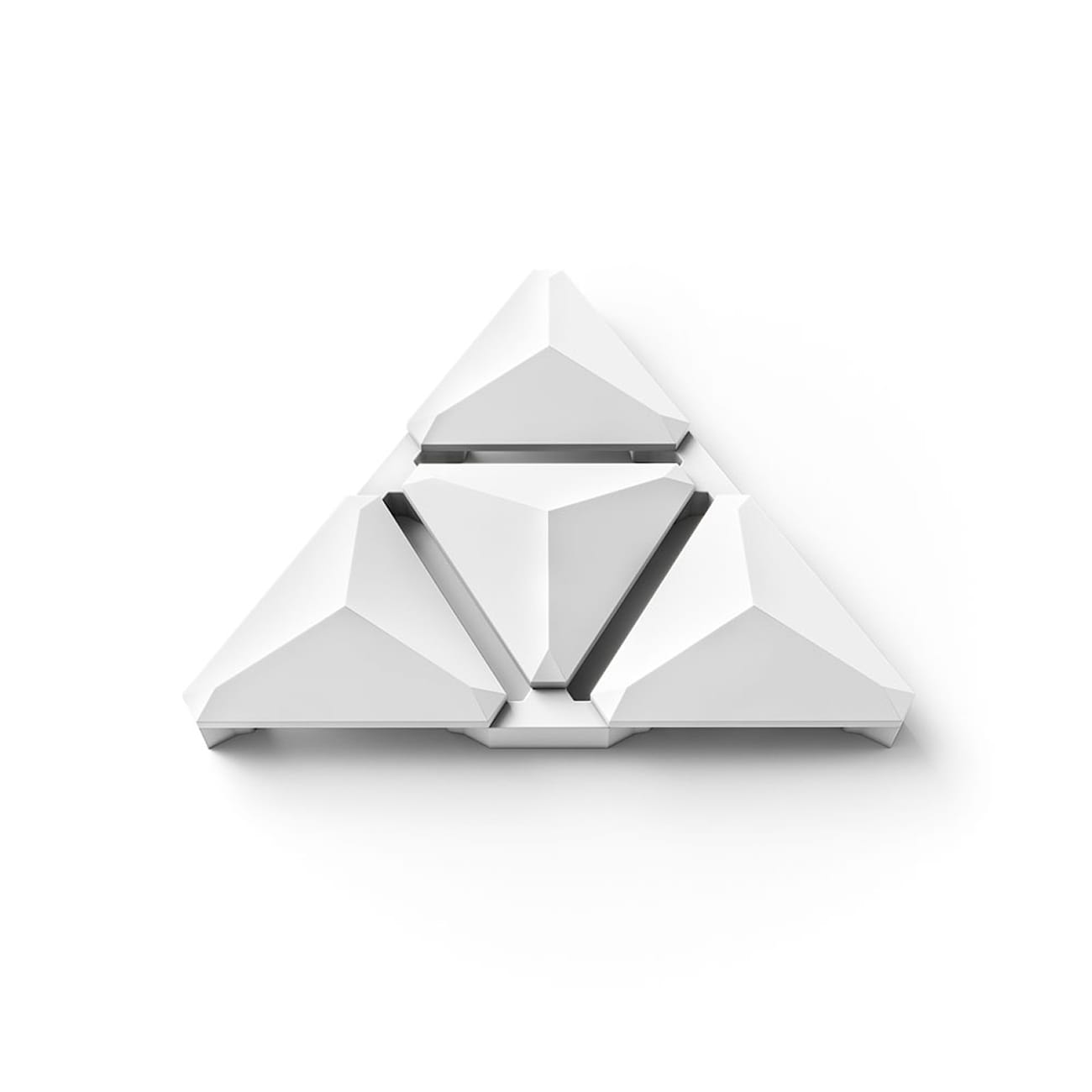
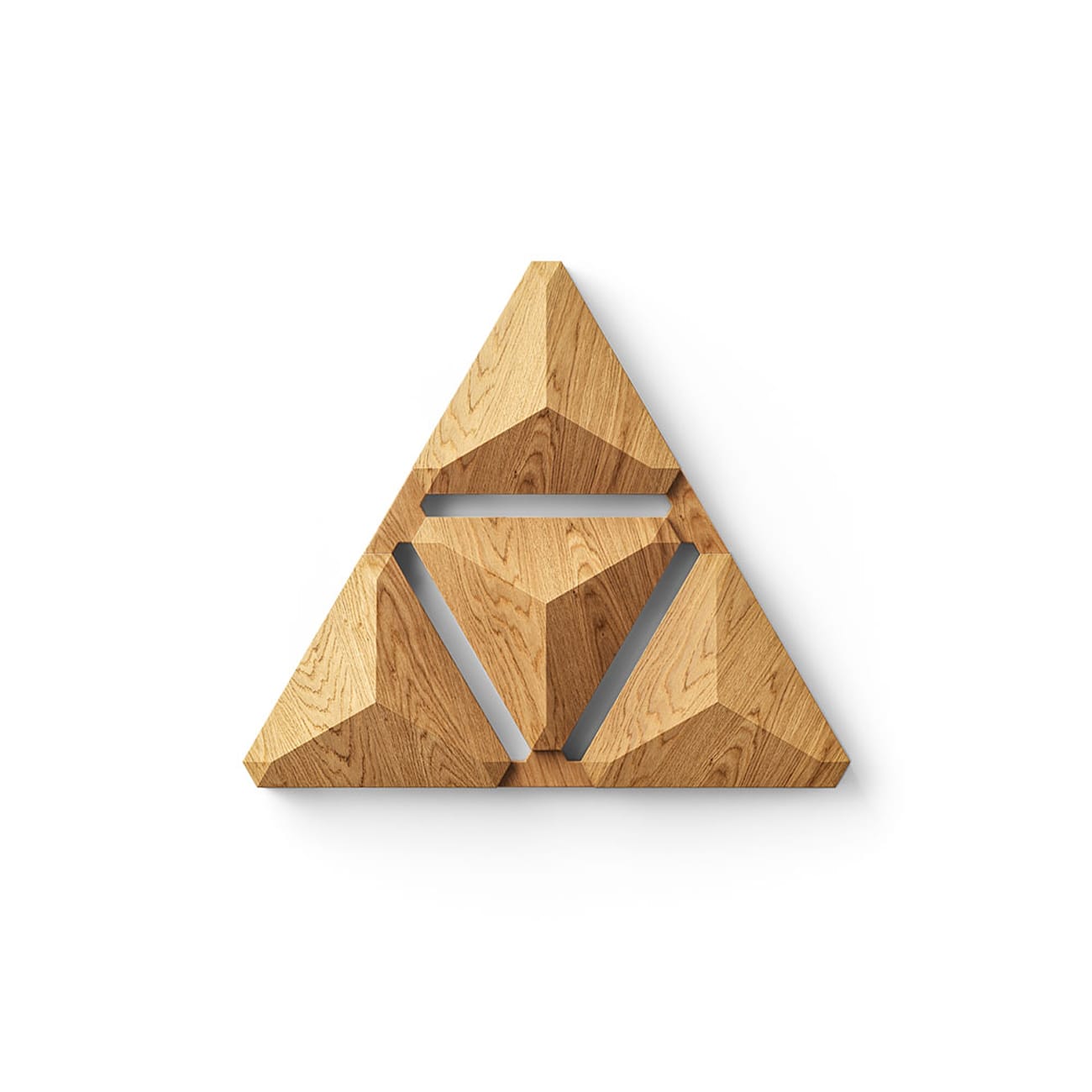
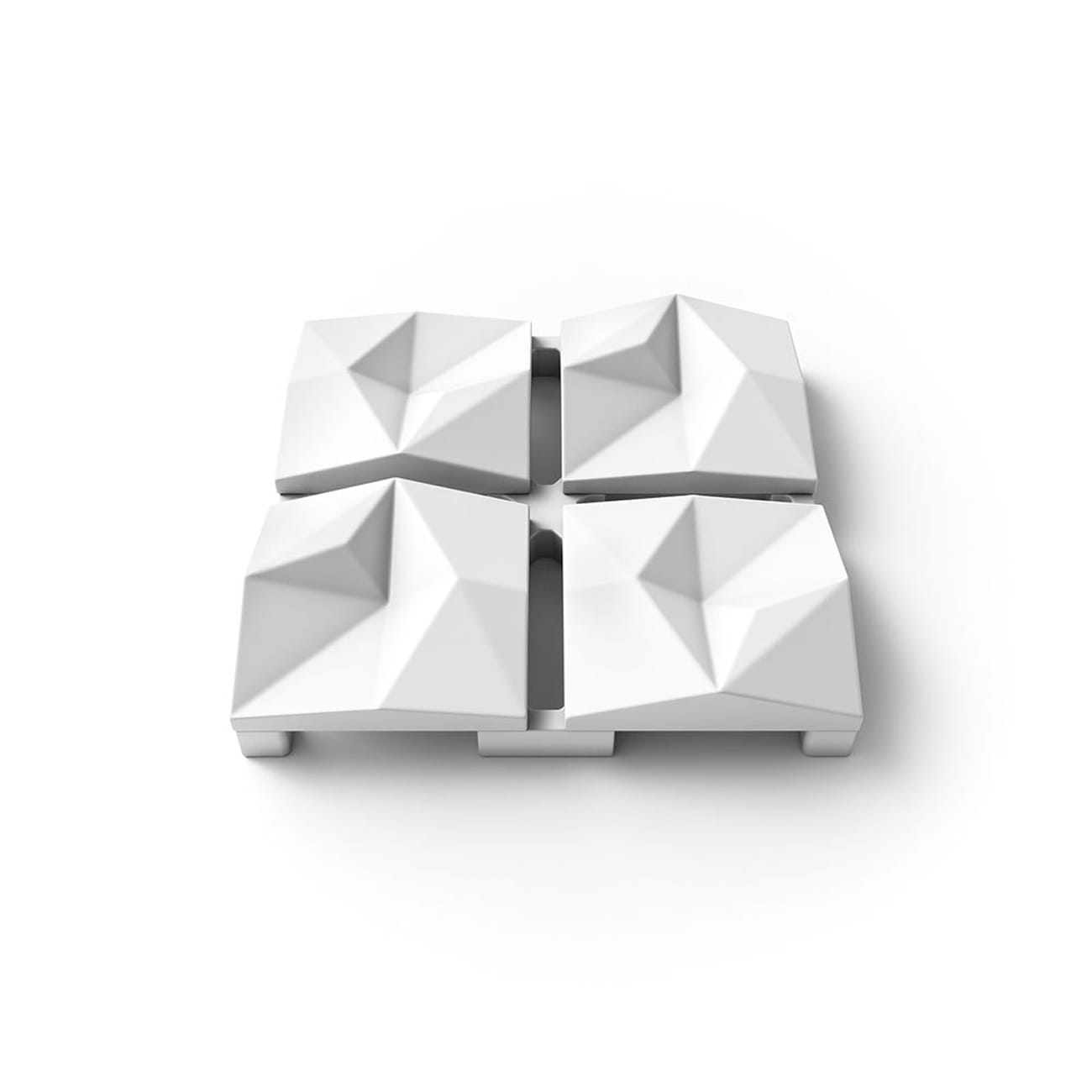
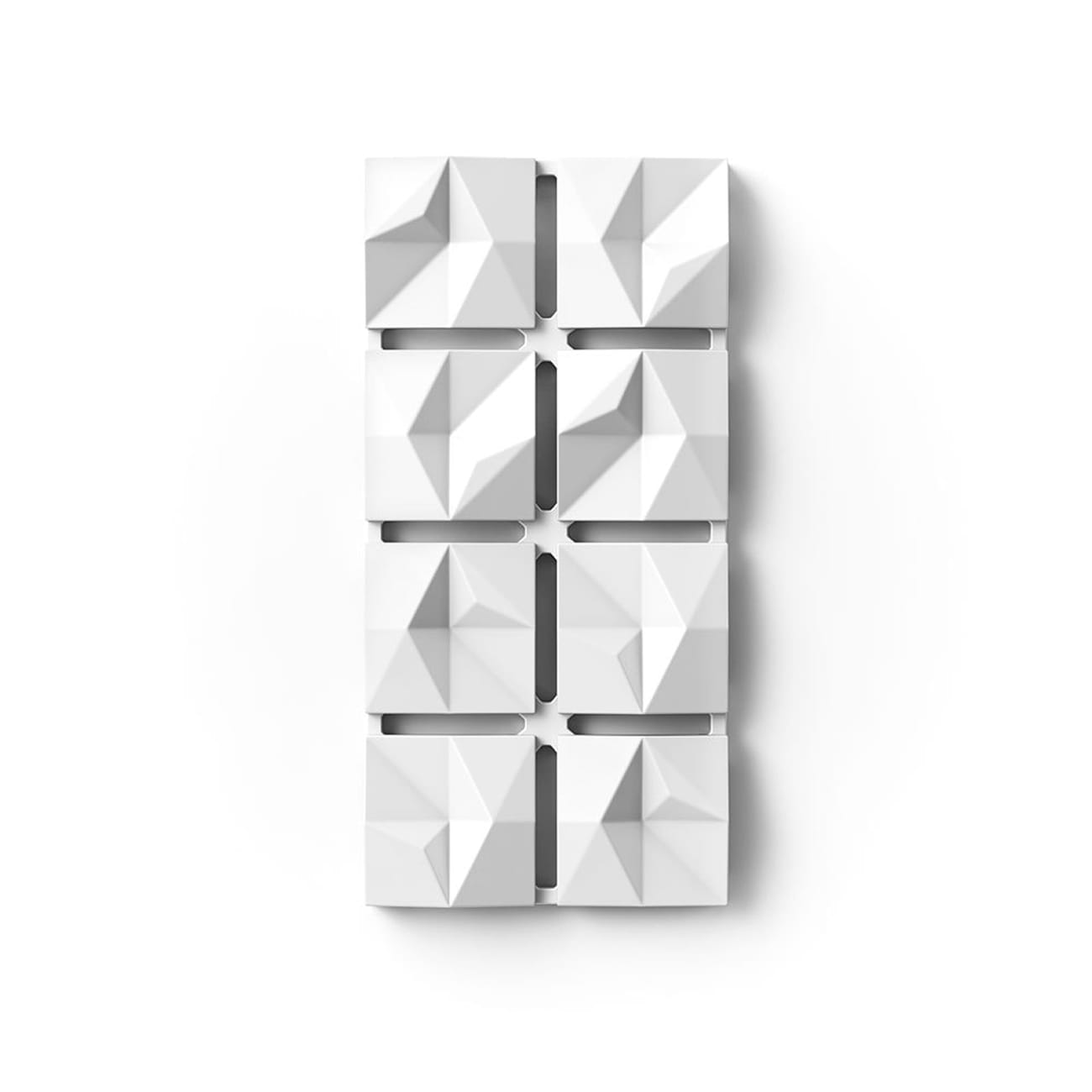
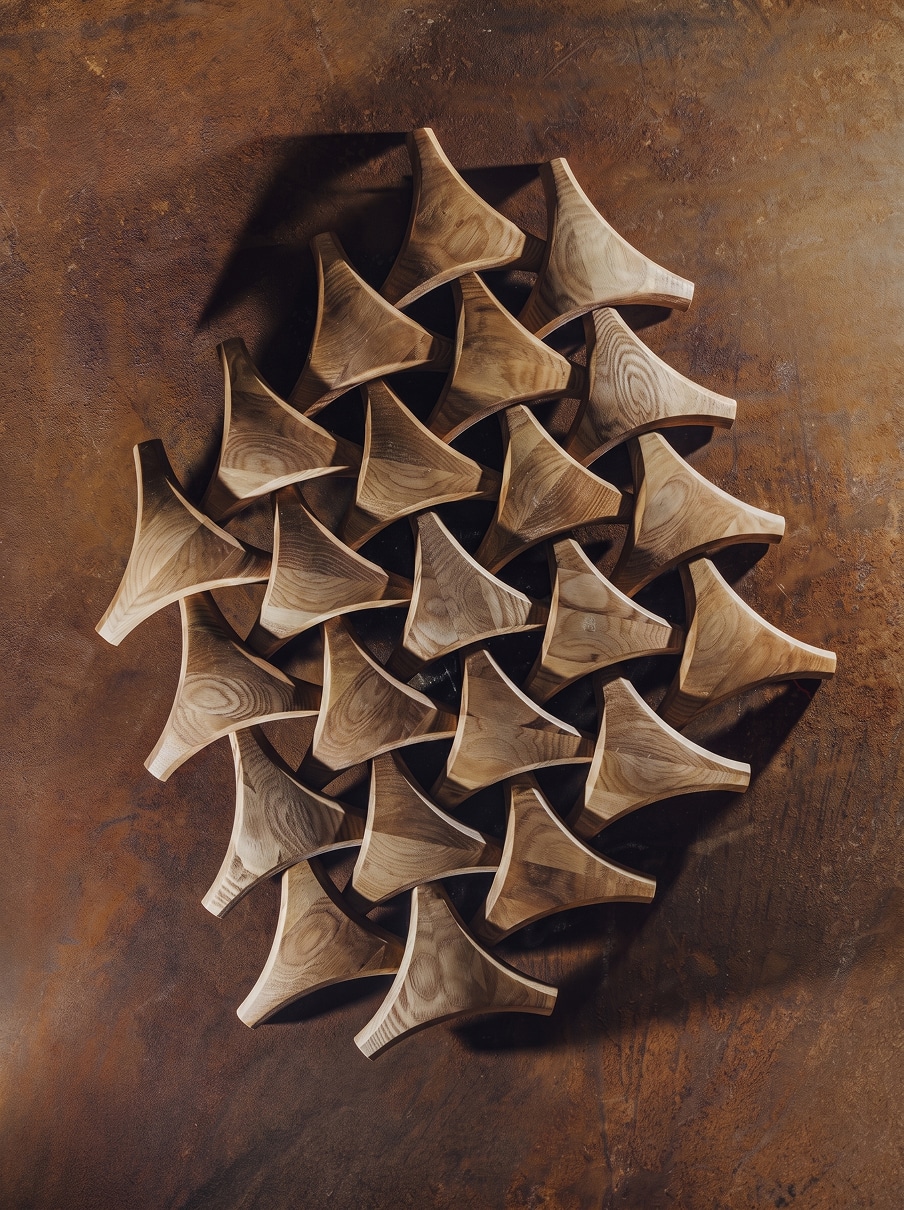
The core engineering task — design the module so that different compositions assemble from a single part: vertical, horizontal, symmetric, asymmetric. I worked out the joint system and the pattern parameters. The result is a kit-of-parts: the client picks the configuration and we assemble it. Different shapes, materials and colours possible. This gives manufacturing flexibility and a personal approach to clients.
Engineering challenge: the joint
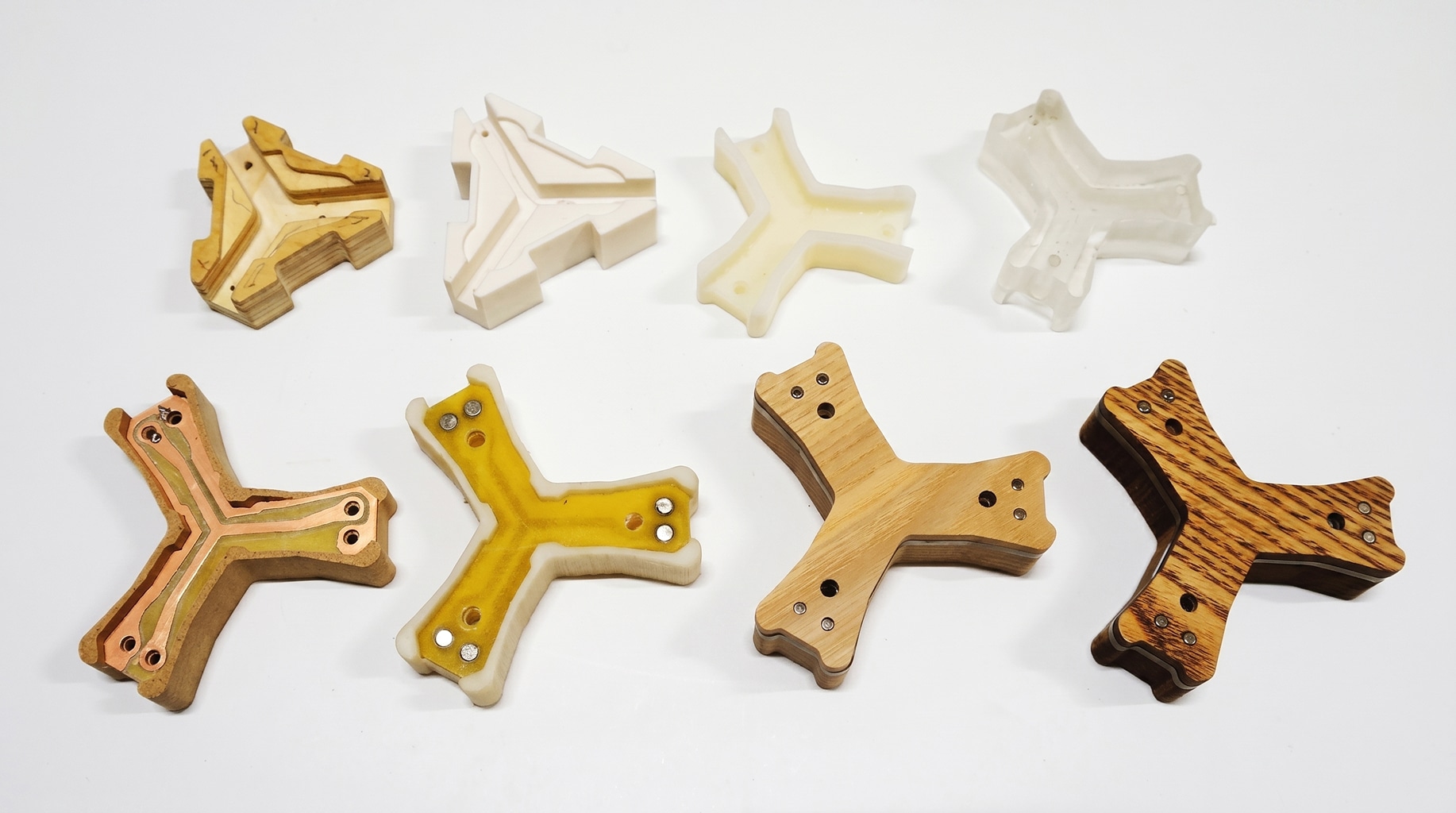
The hardest part wasn't the form itself, but the joint between modules. It had to simultaneously: be strong, assemble easily, look clean without visible fasteners, and be reproducible in production. 25 iterations. I 3D-printed, milled wood, tested for assembly and load, cast plastic, tried magnetic mounts, printed PCBs. Some options were dropped for strength, some for production complexity, some because they ruined the look. The working solution came near the end of the second dozen — it works across every material in the line and assembles without special tools.
Manufacturing
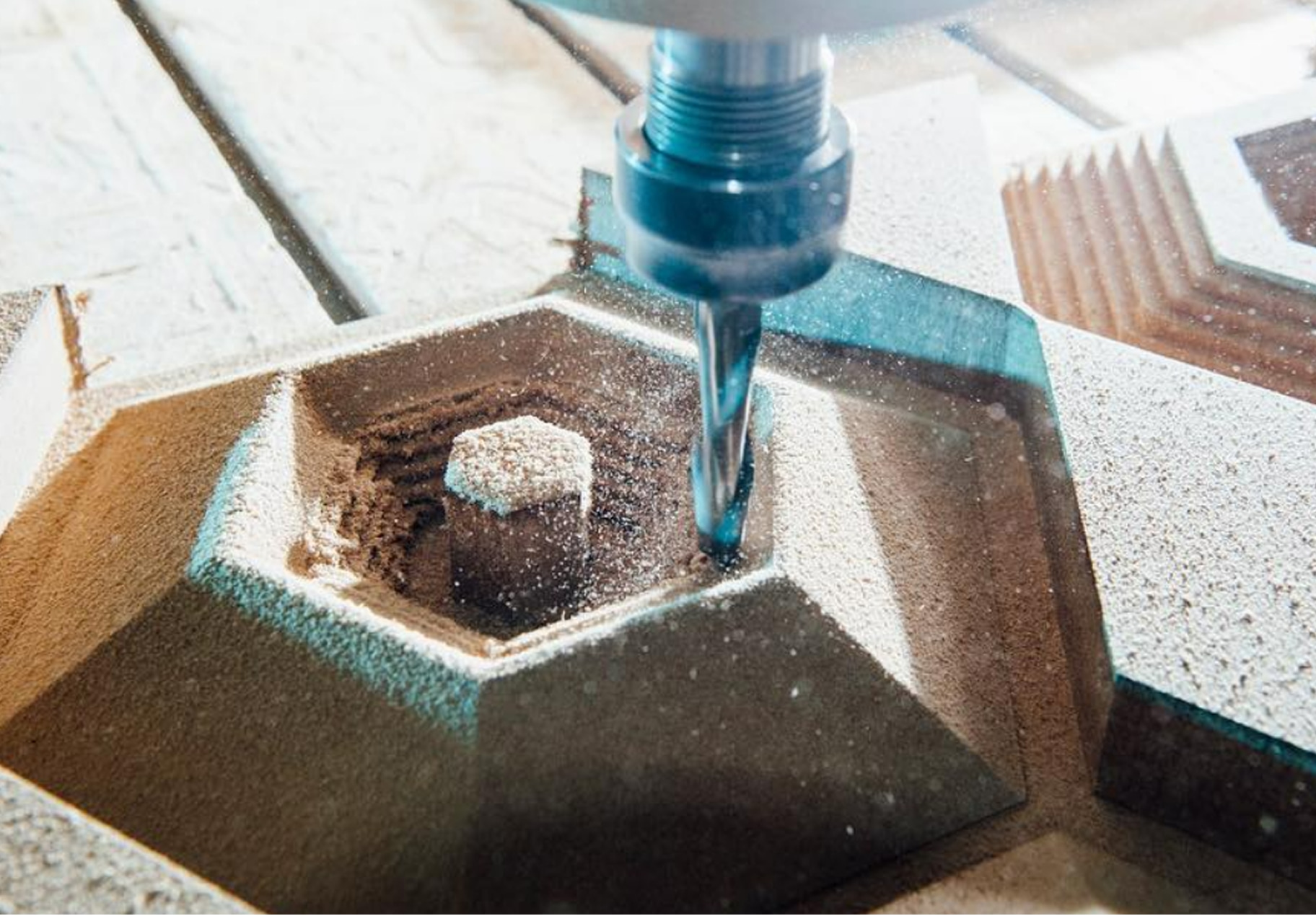
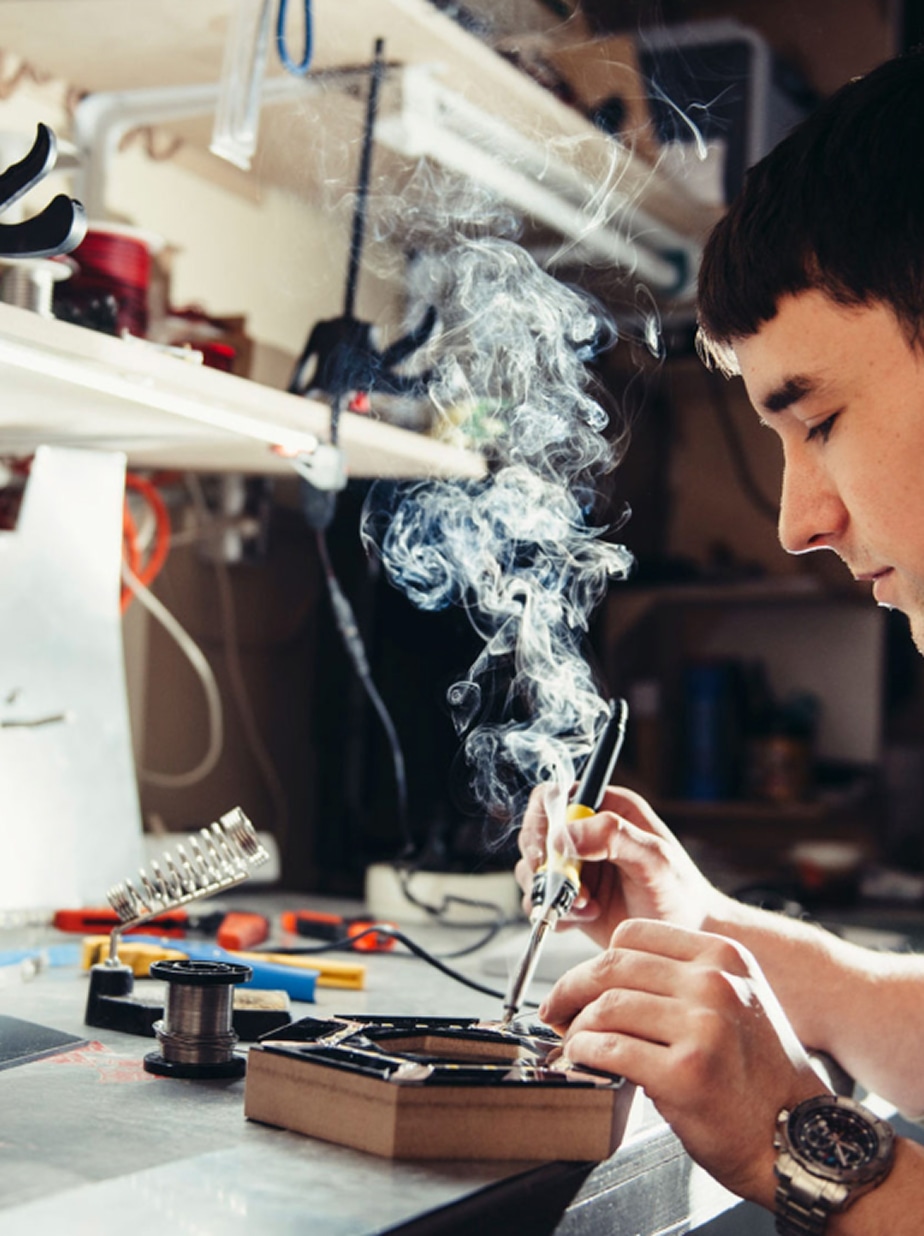
At first I did the full cycle myself: CNC milling, sanding, finishing, assembly. In parallel I worked out the tech for production runs — so I wouldn't depend on a single craftsman and could scale. When scaling I hired assistants for the routine work. I set up an assembly line and ran the processes.

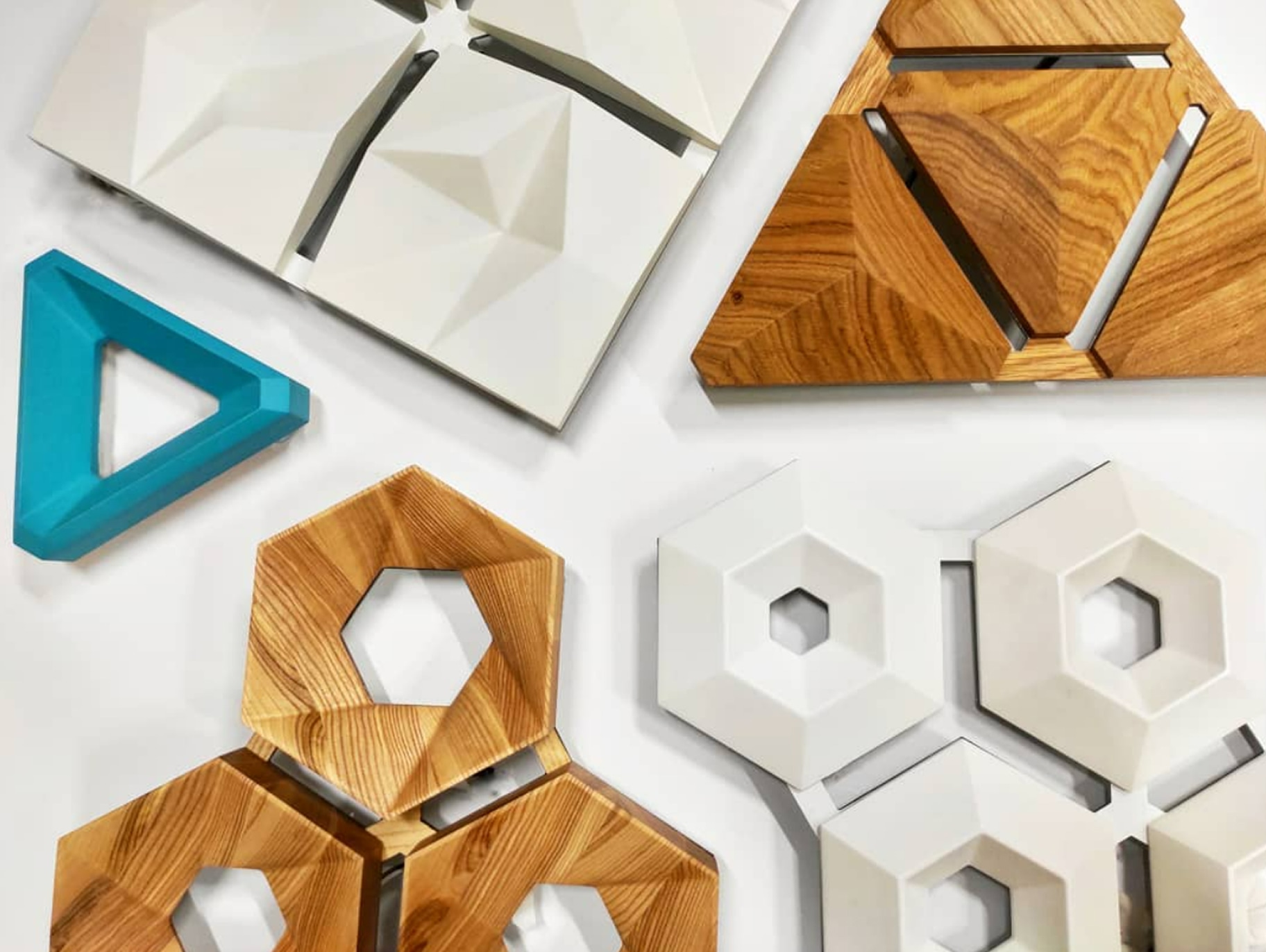
The model line
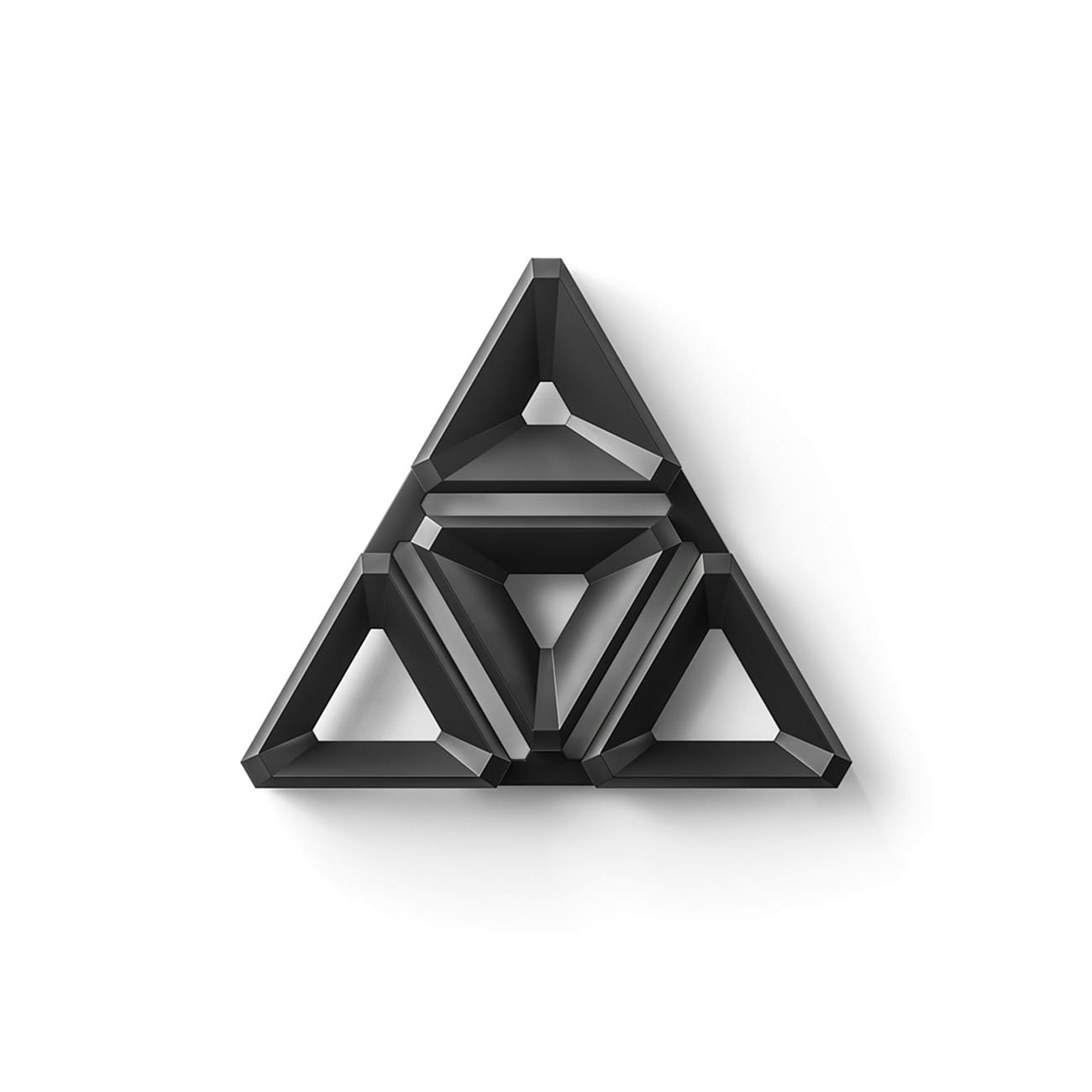
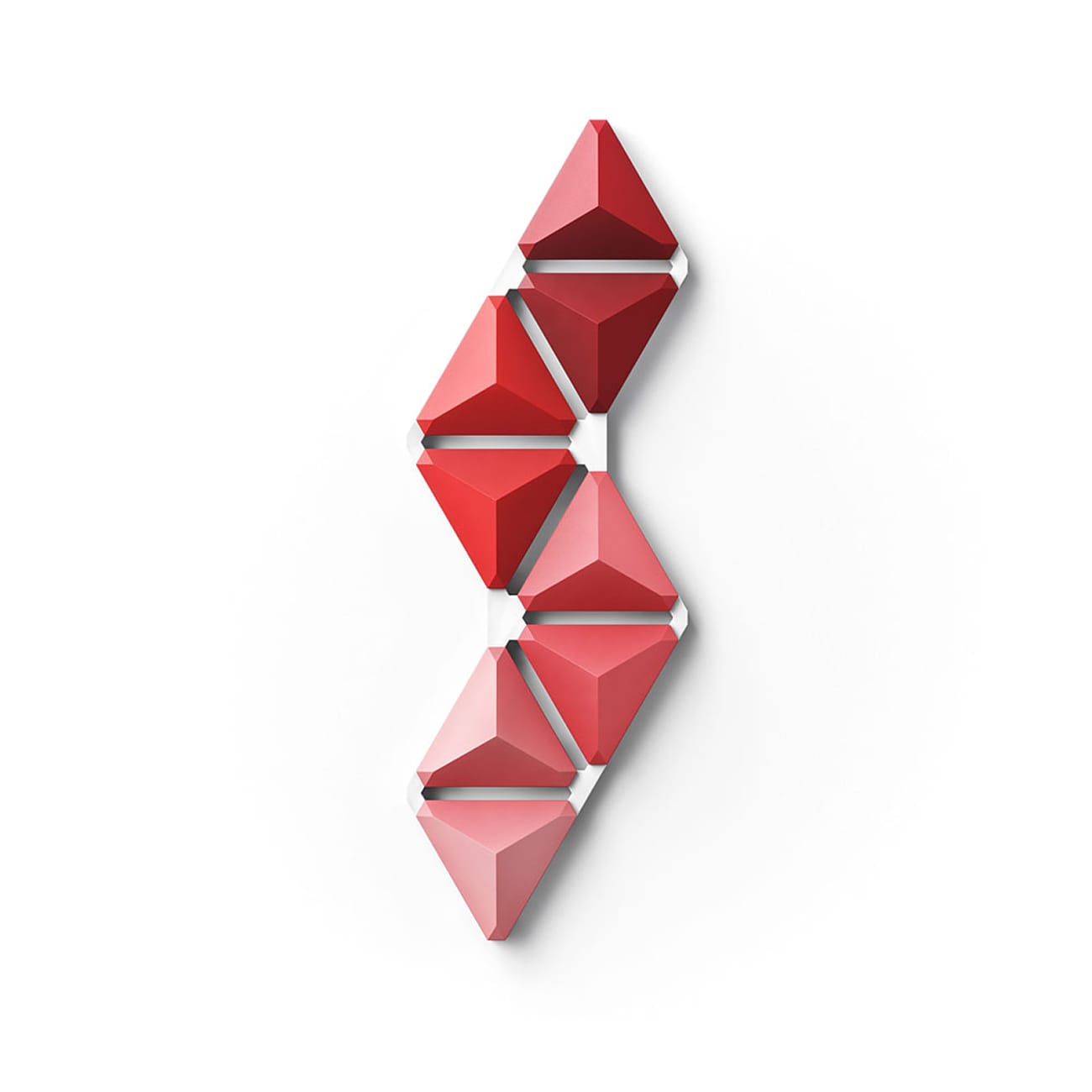
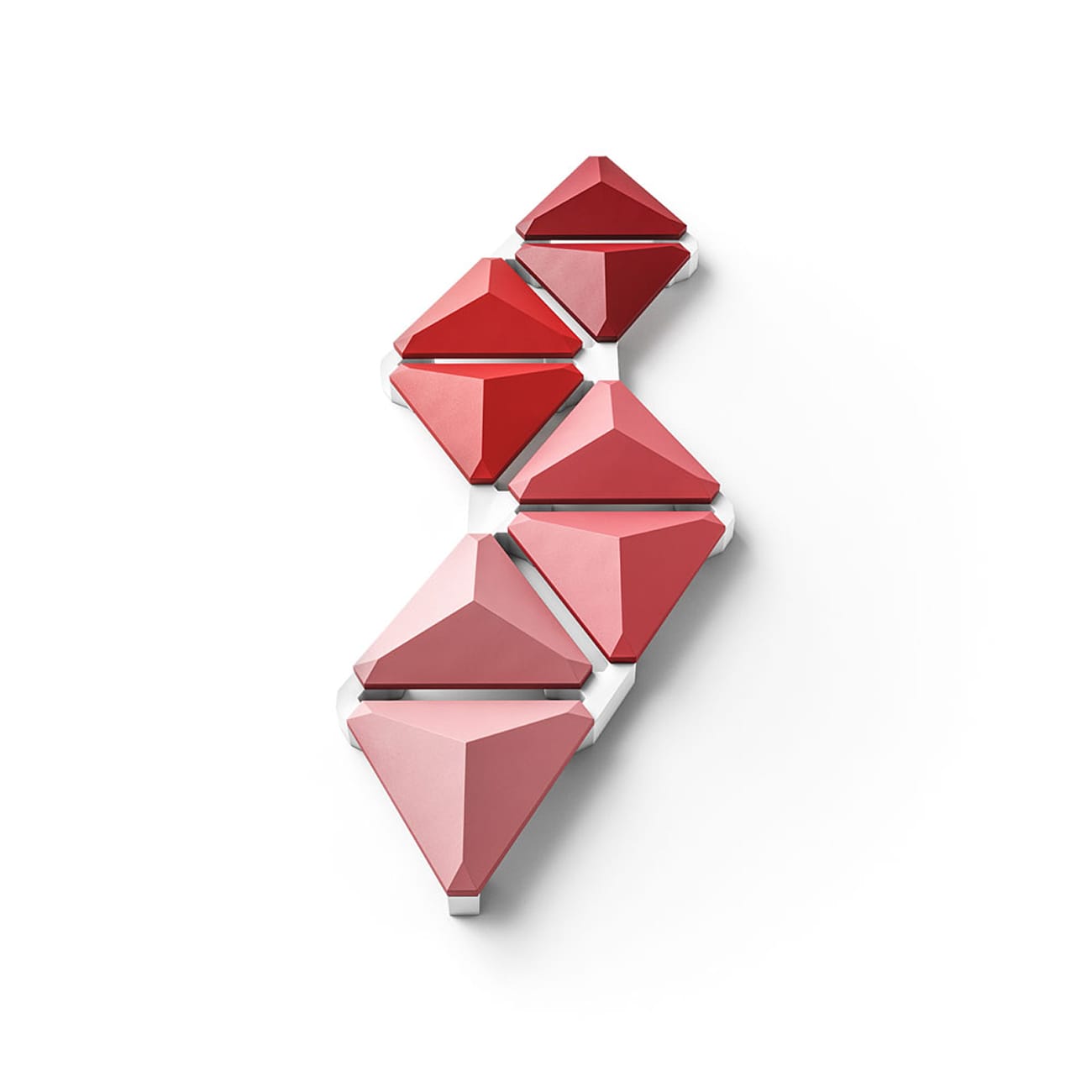
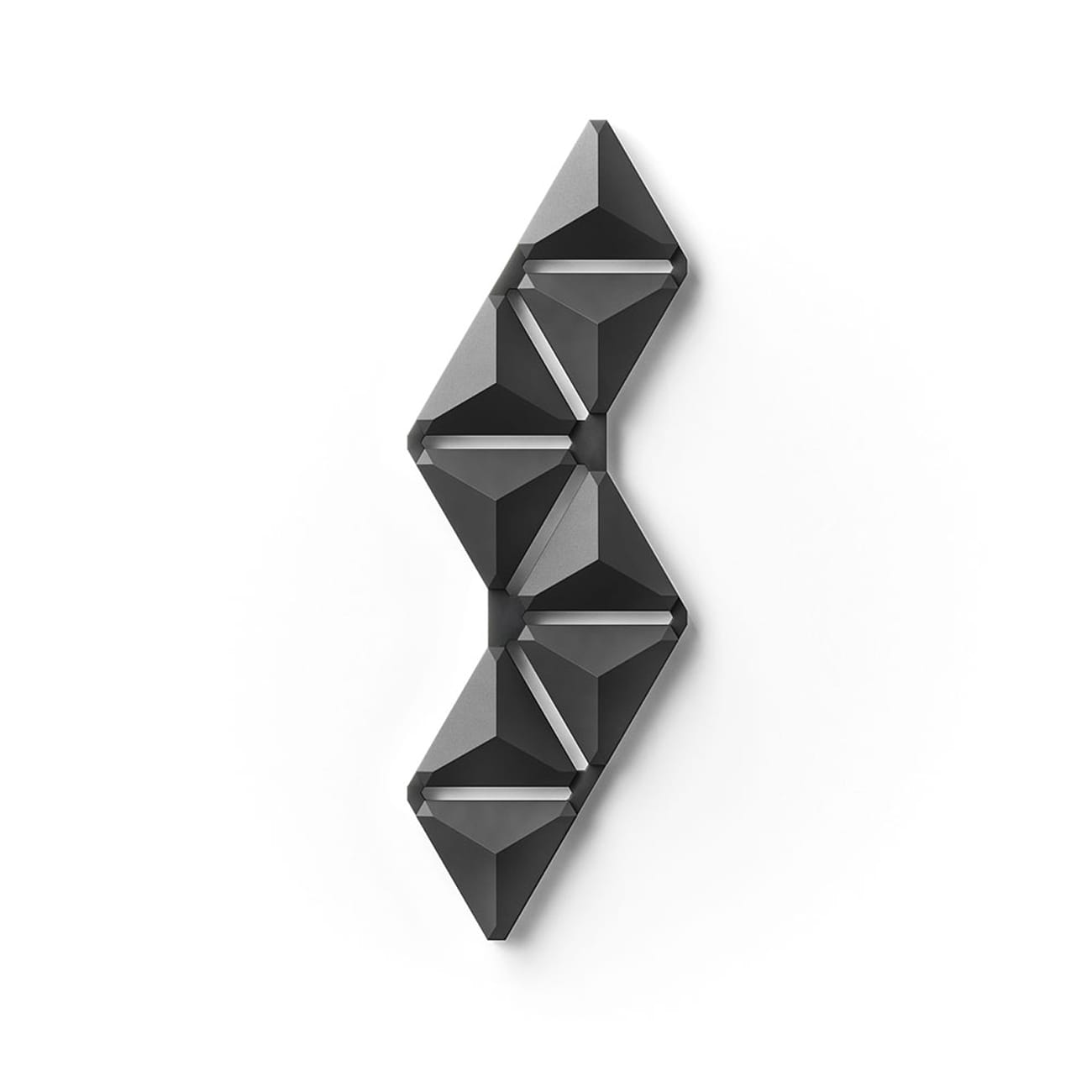
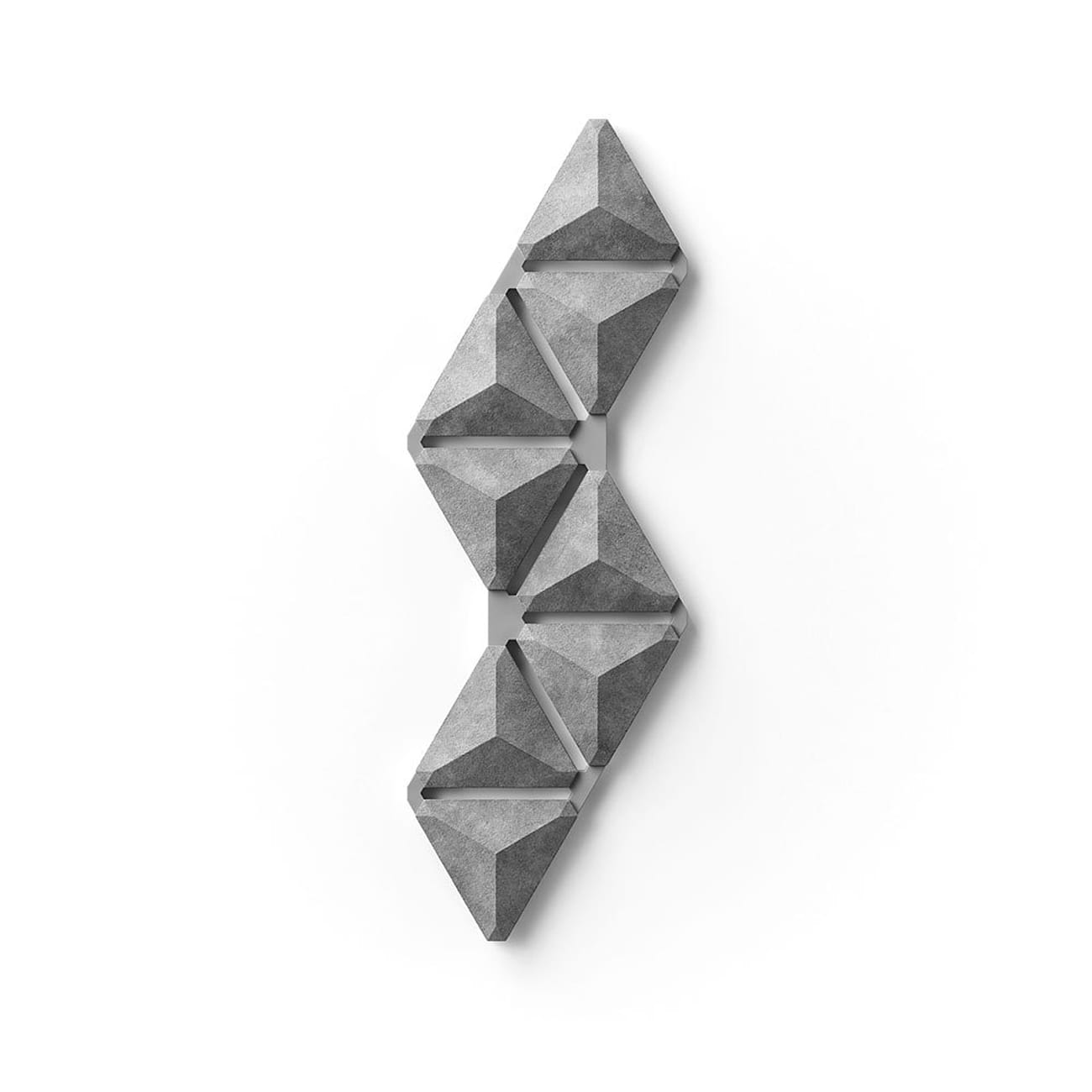
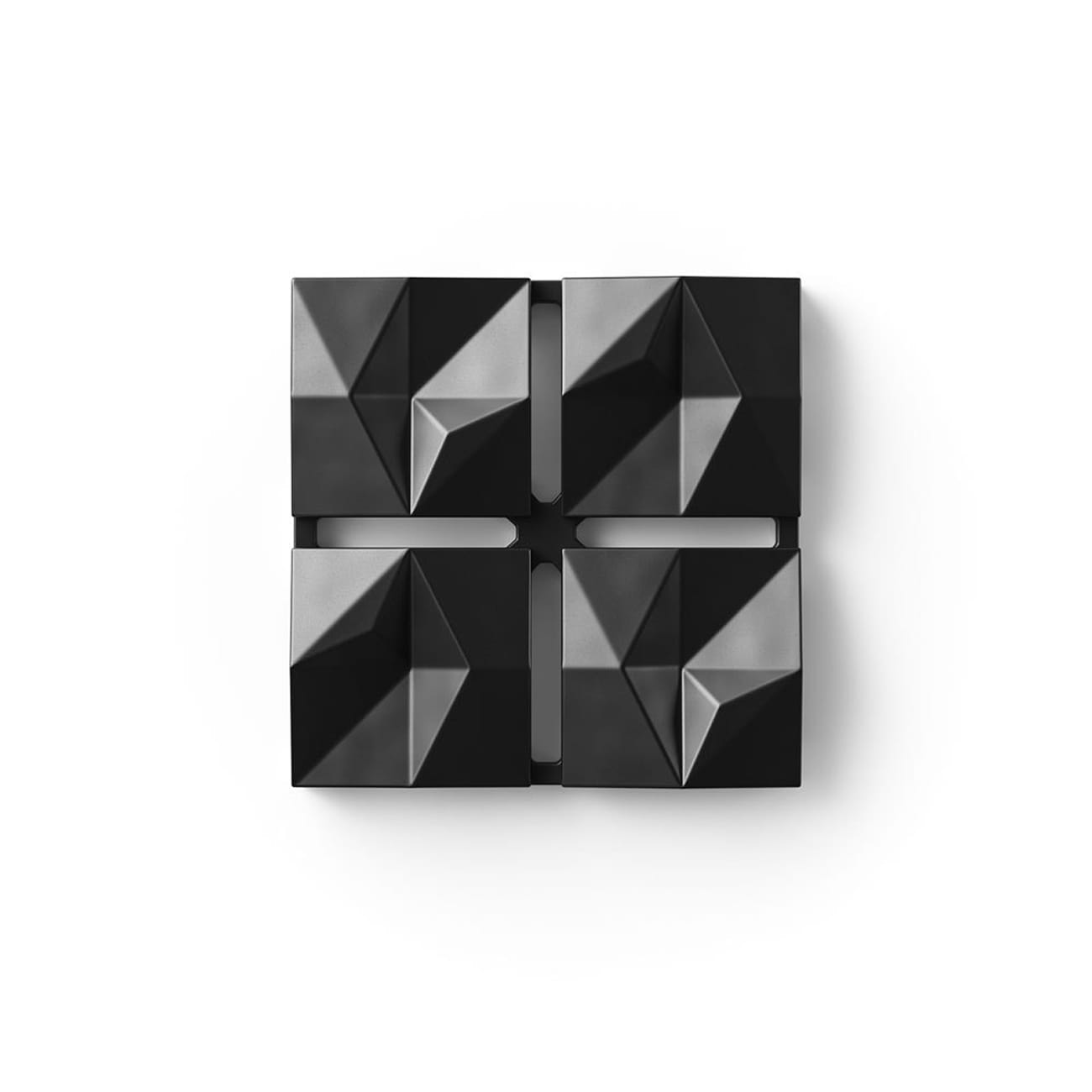
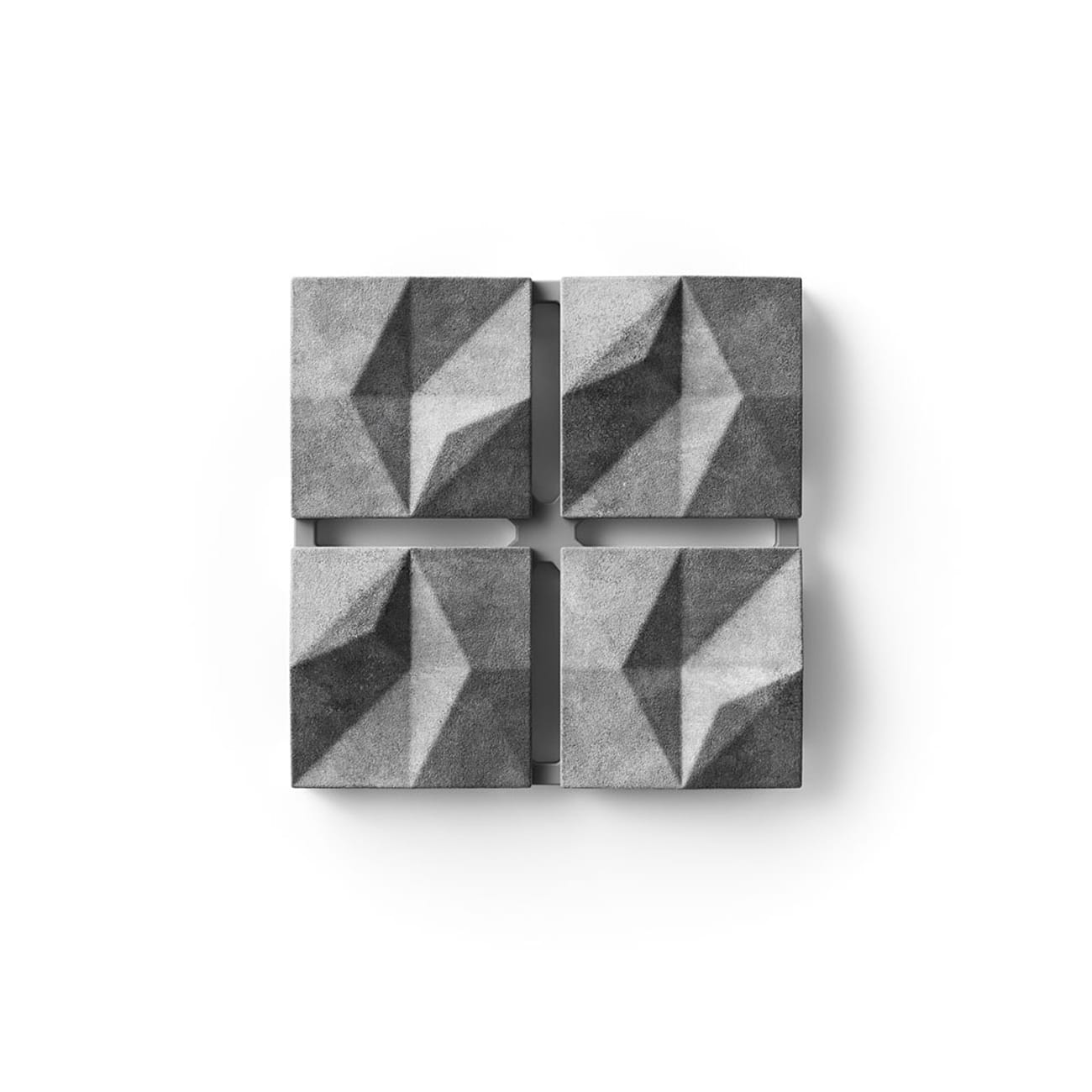
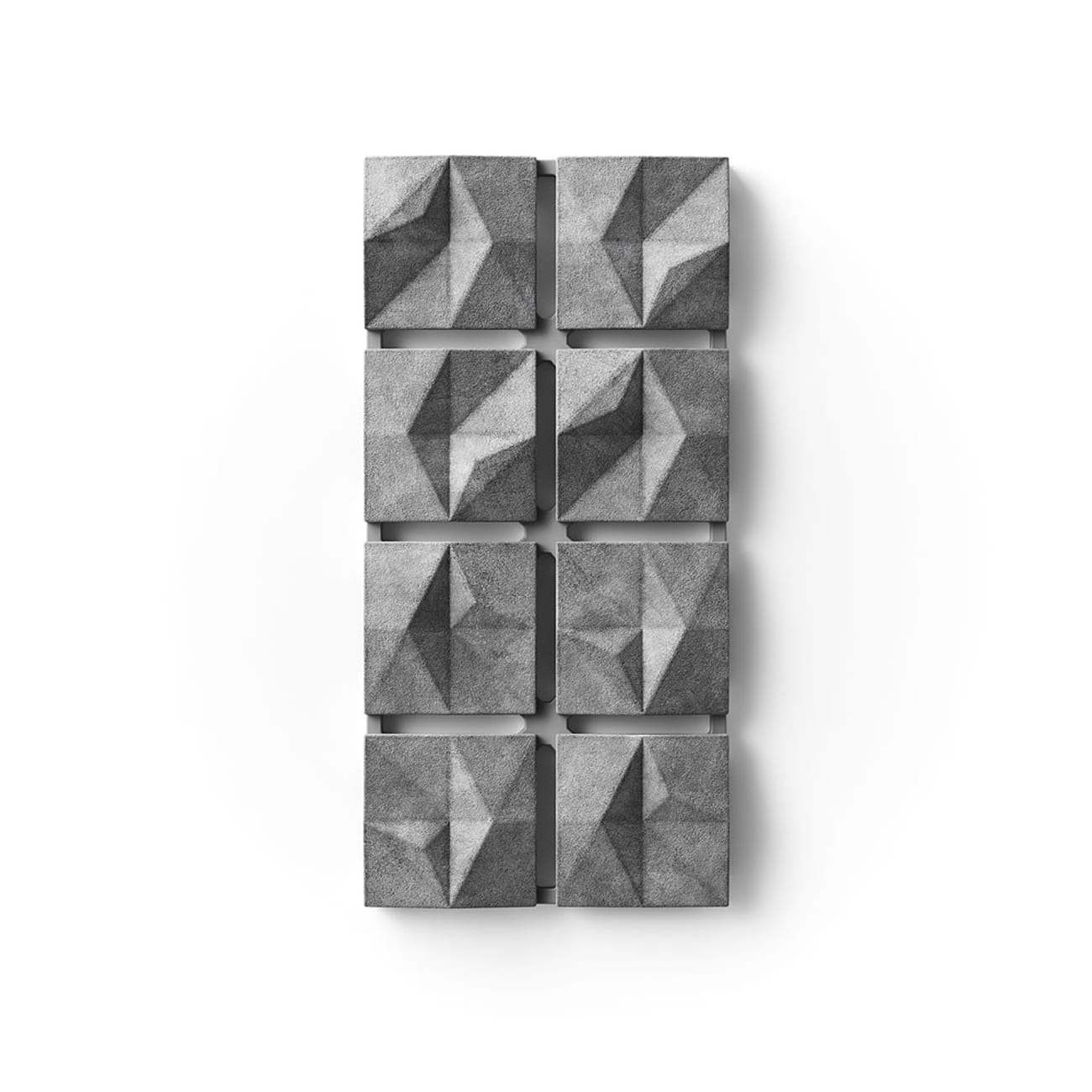
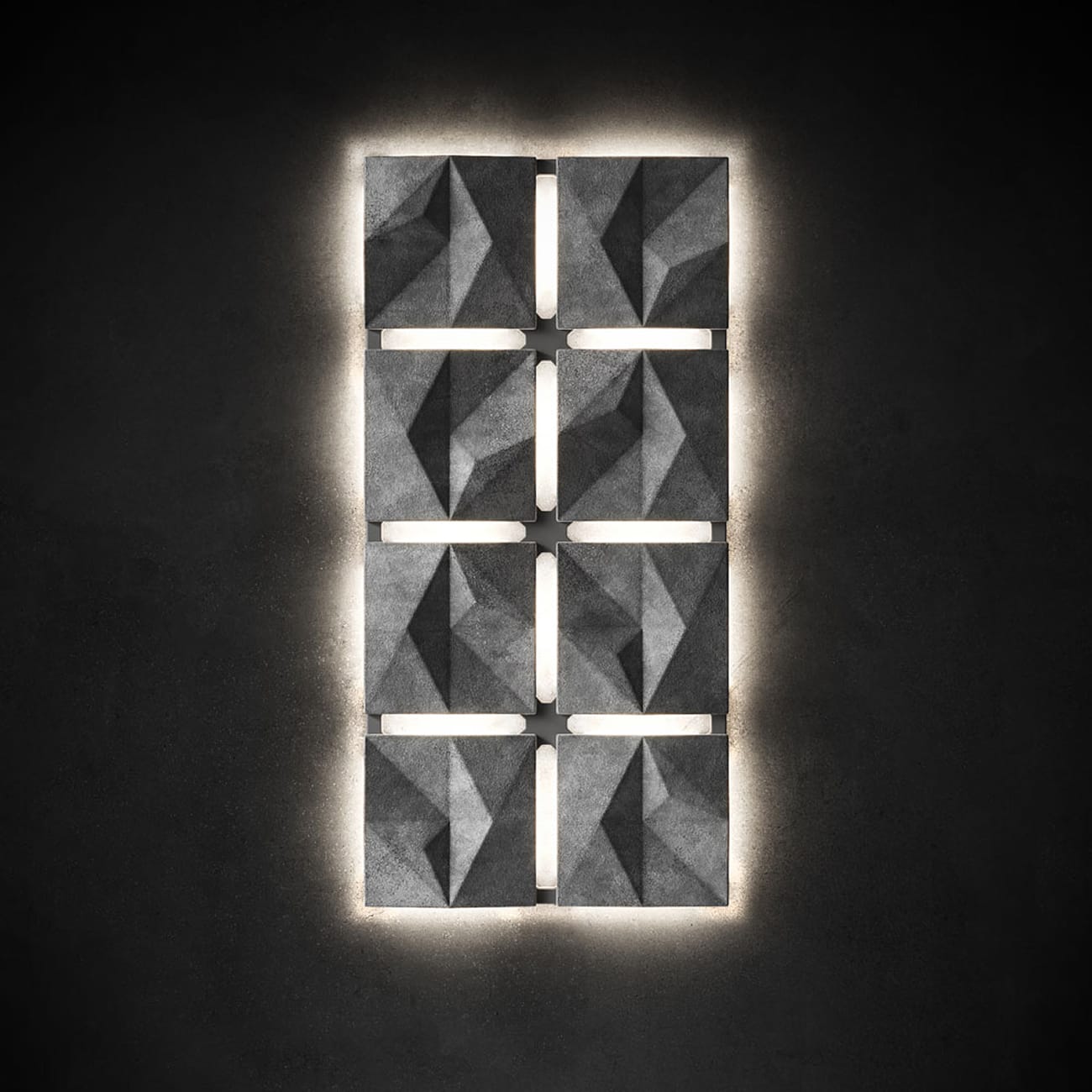
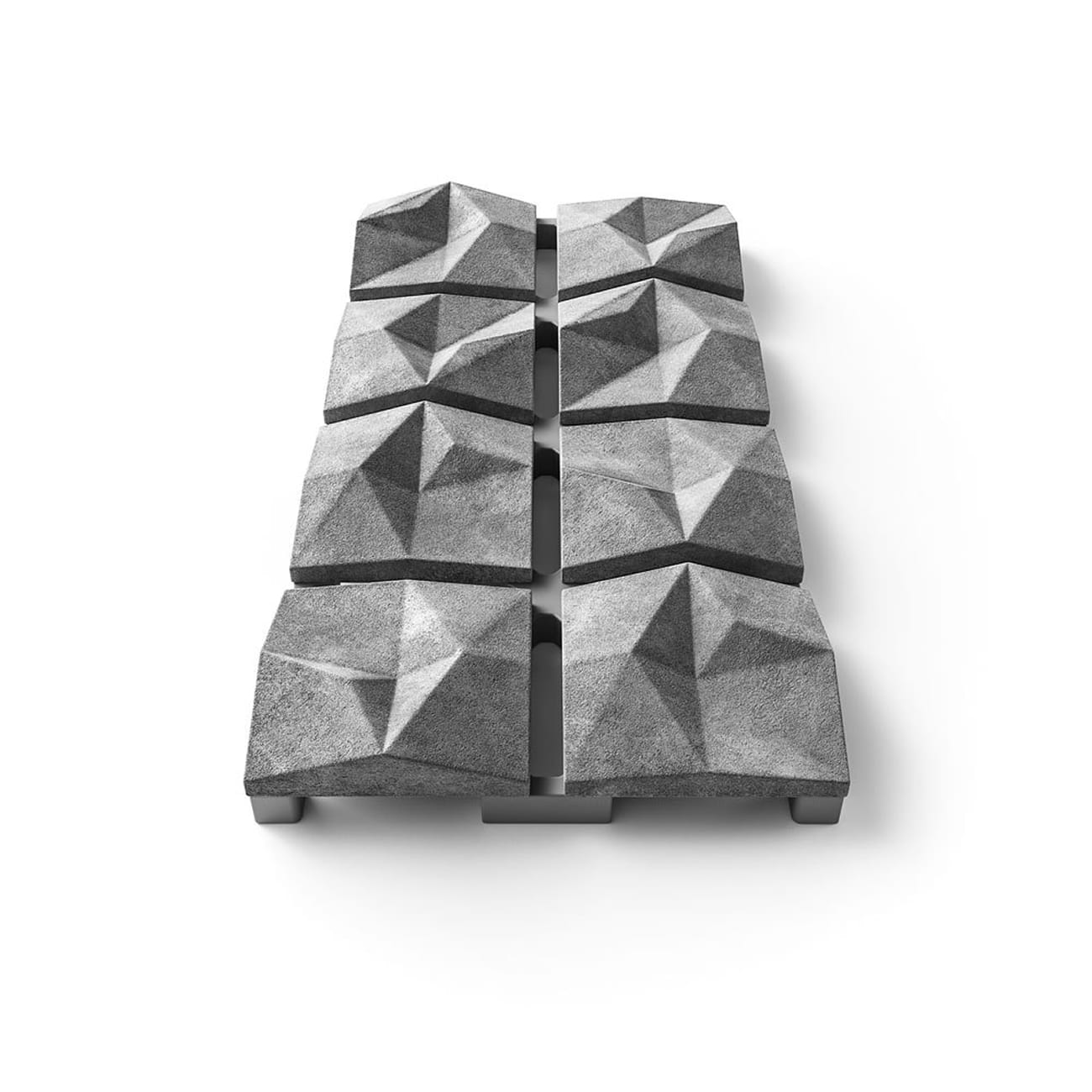
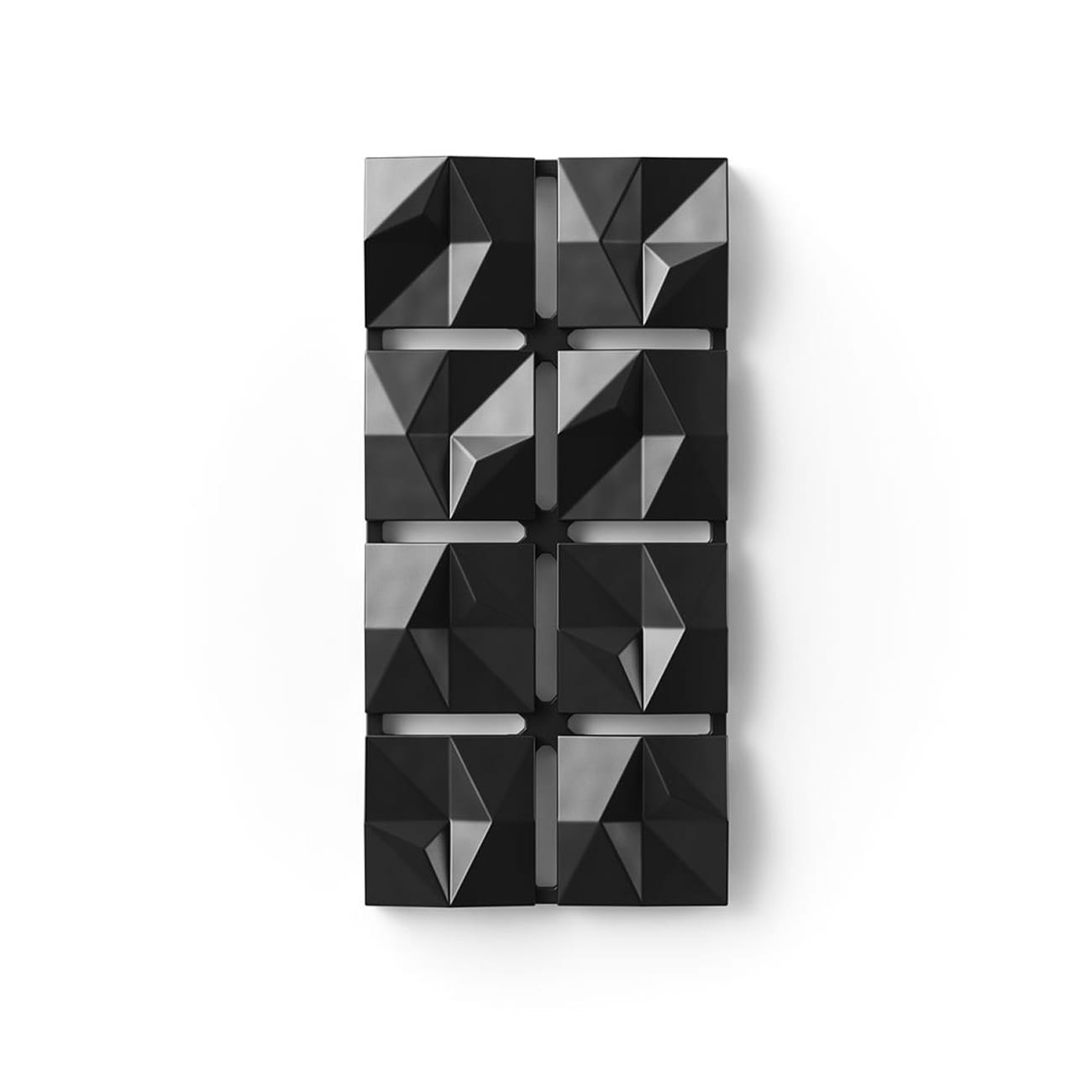
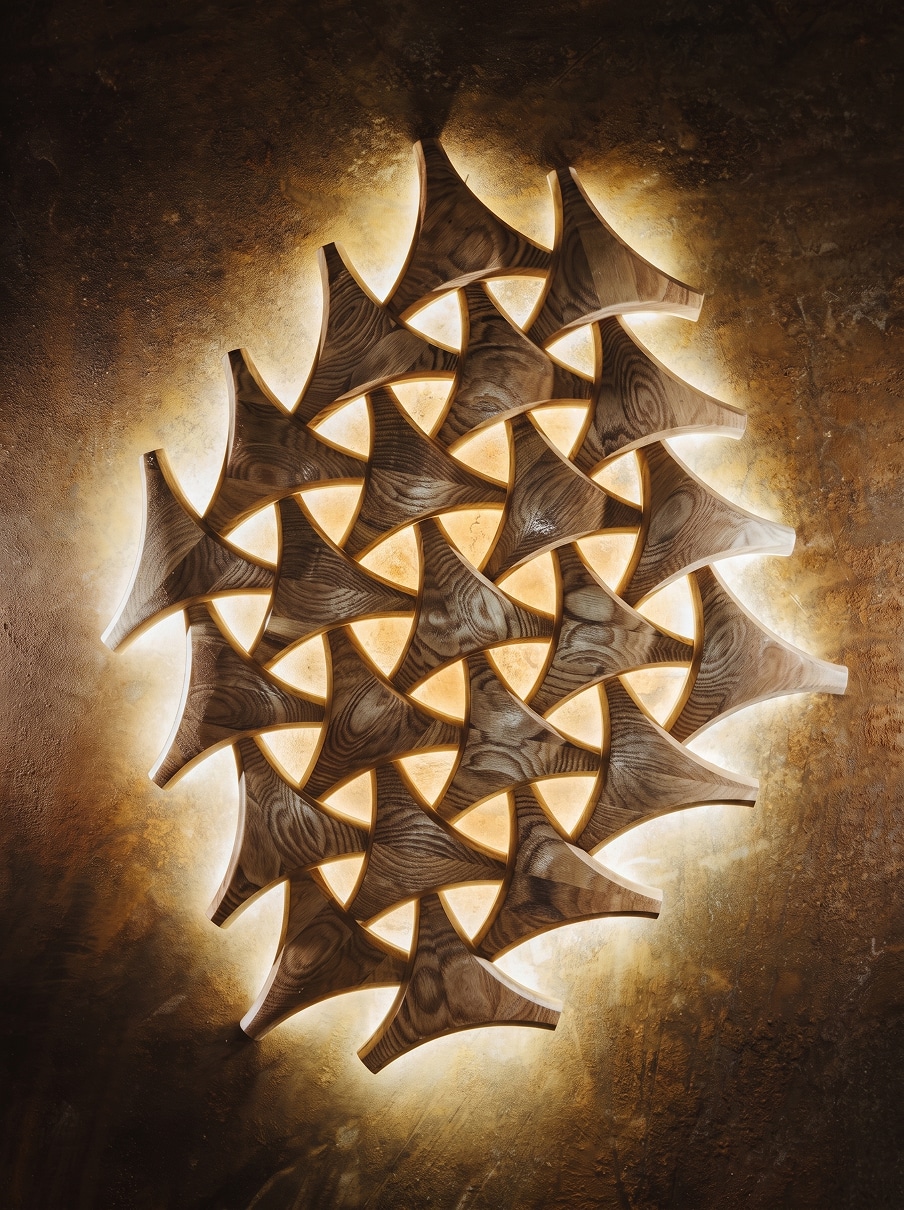
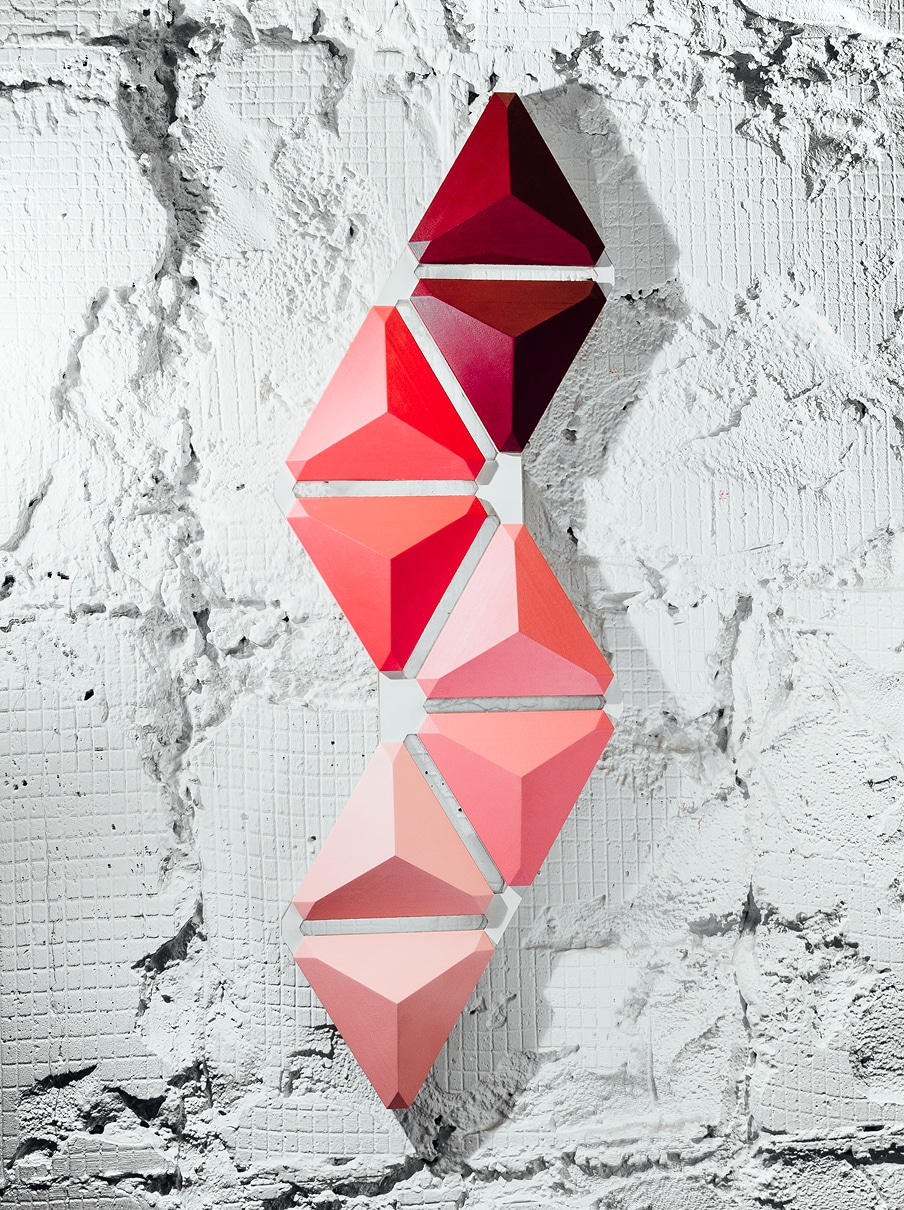
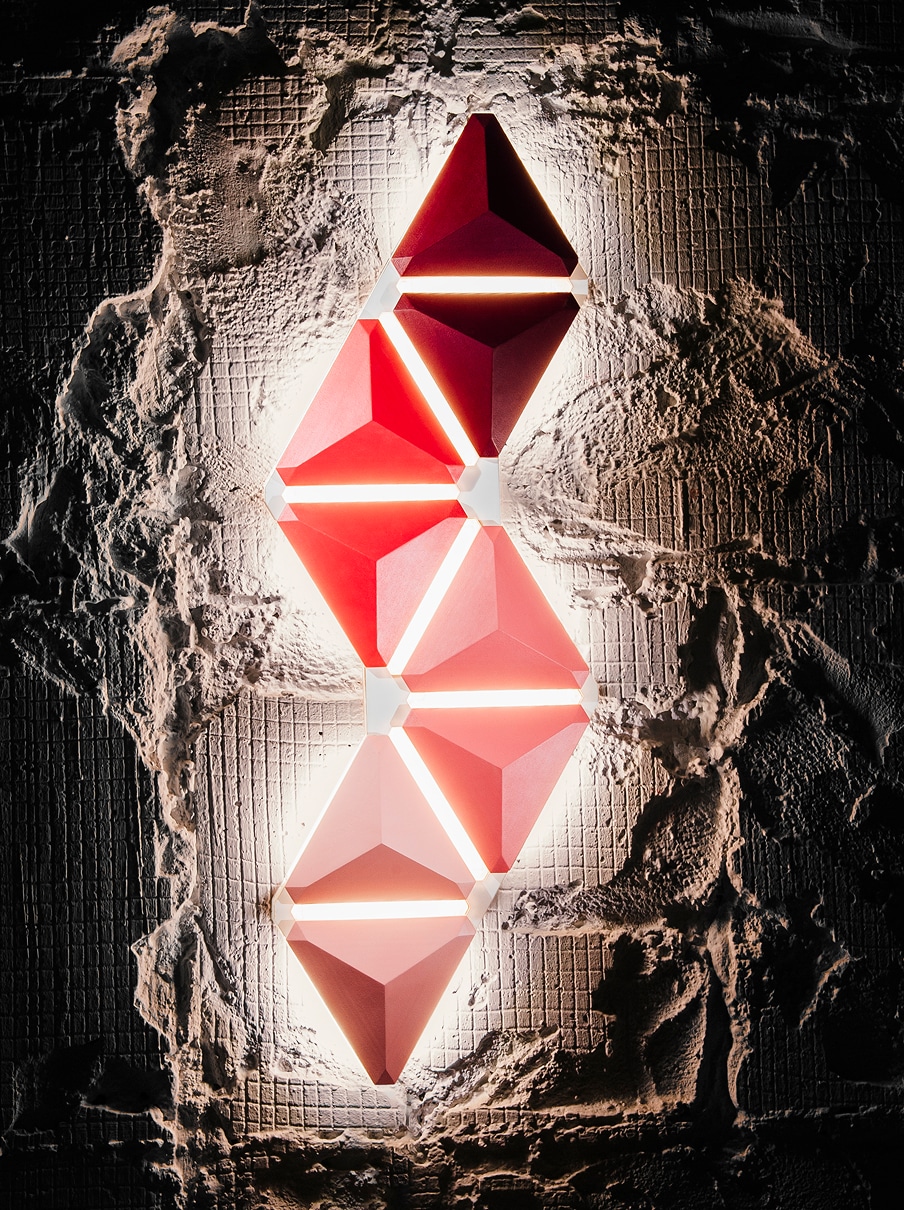
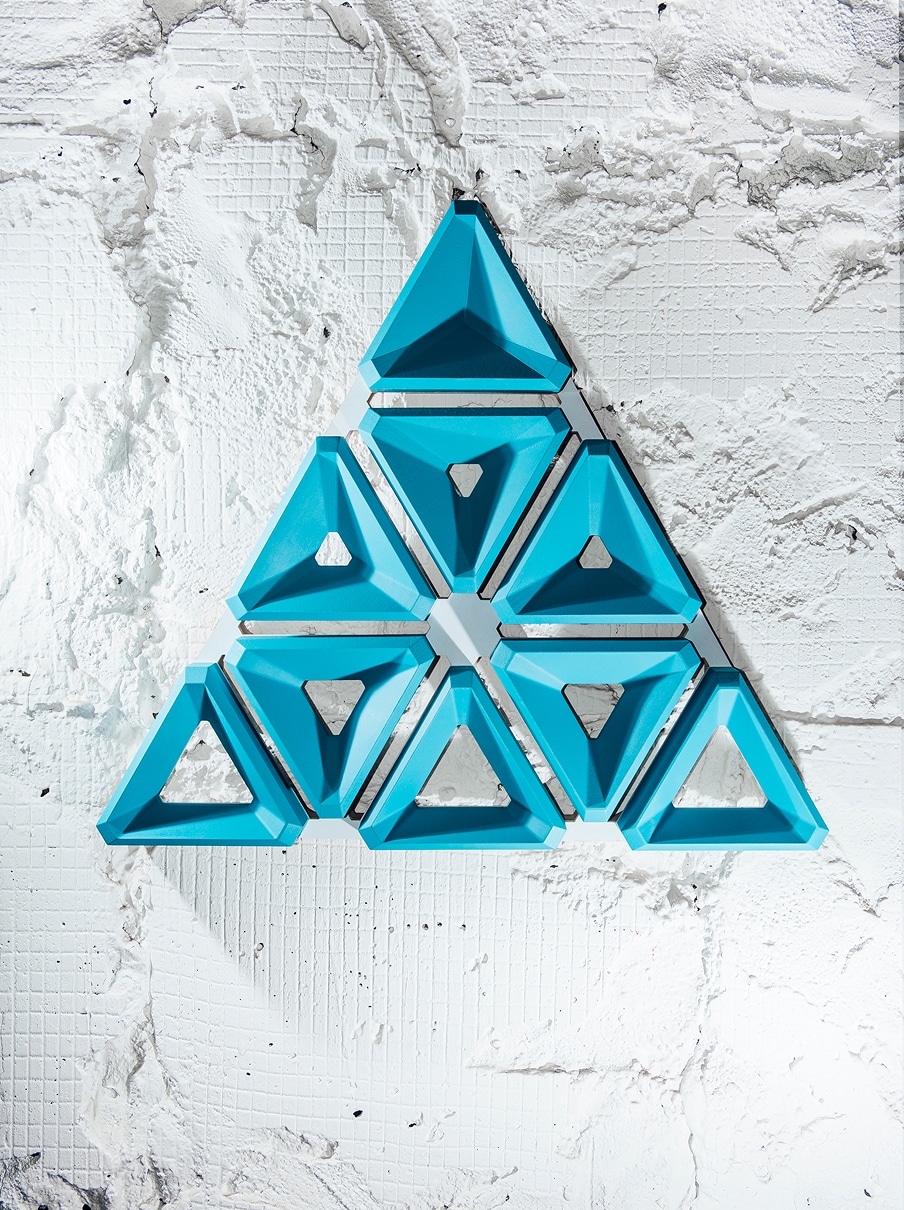
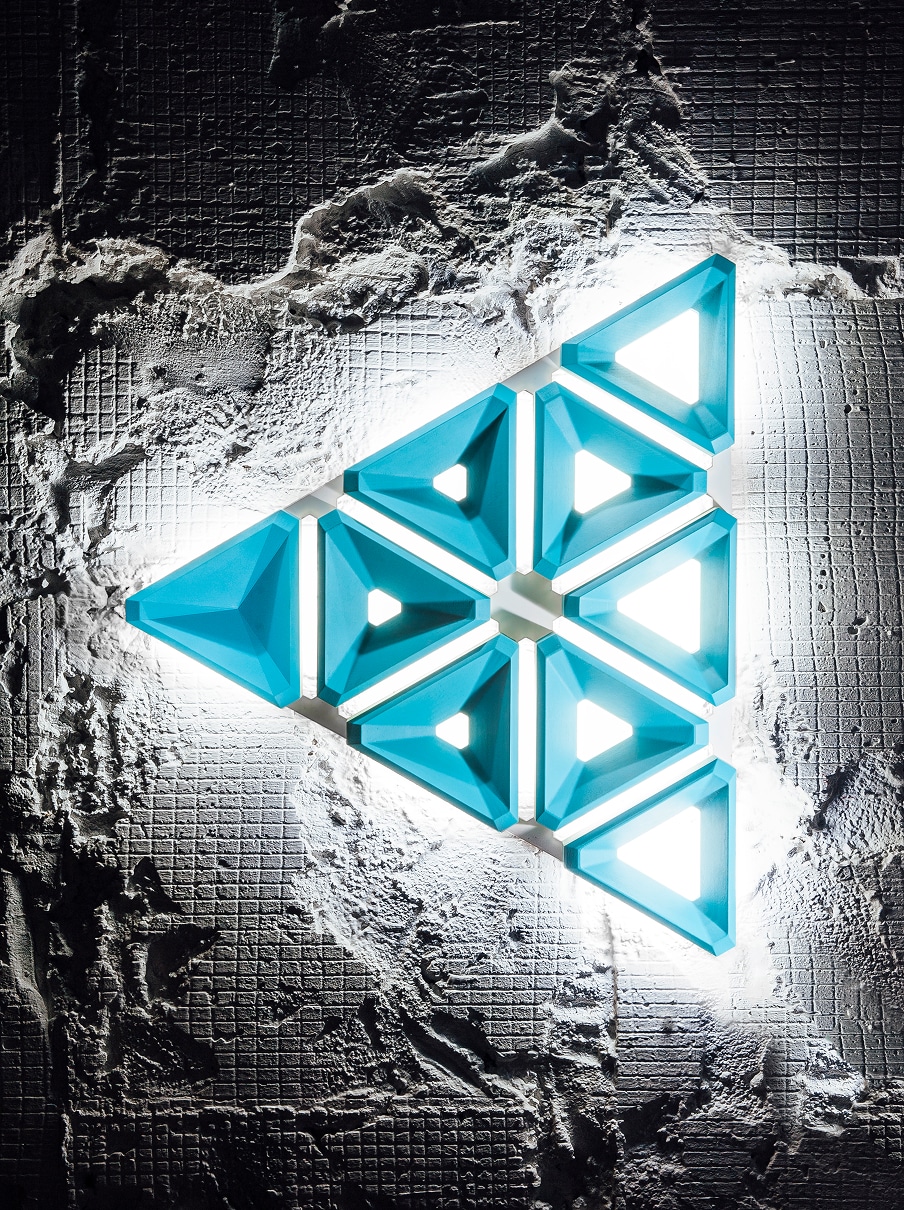
Besides custom sets, there's a stock model line that helps users pick. Different sizes (S, M, L), materials (wood, concrete, MDF), different colours, options with and without built-in lighting. Some people wanted to use a model purely as decor.
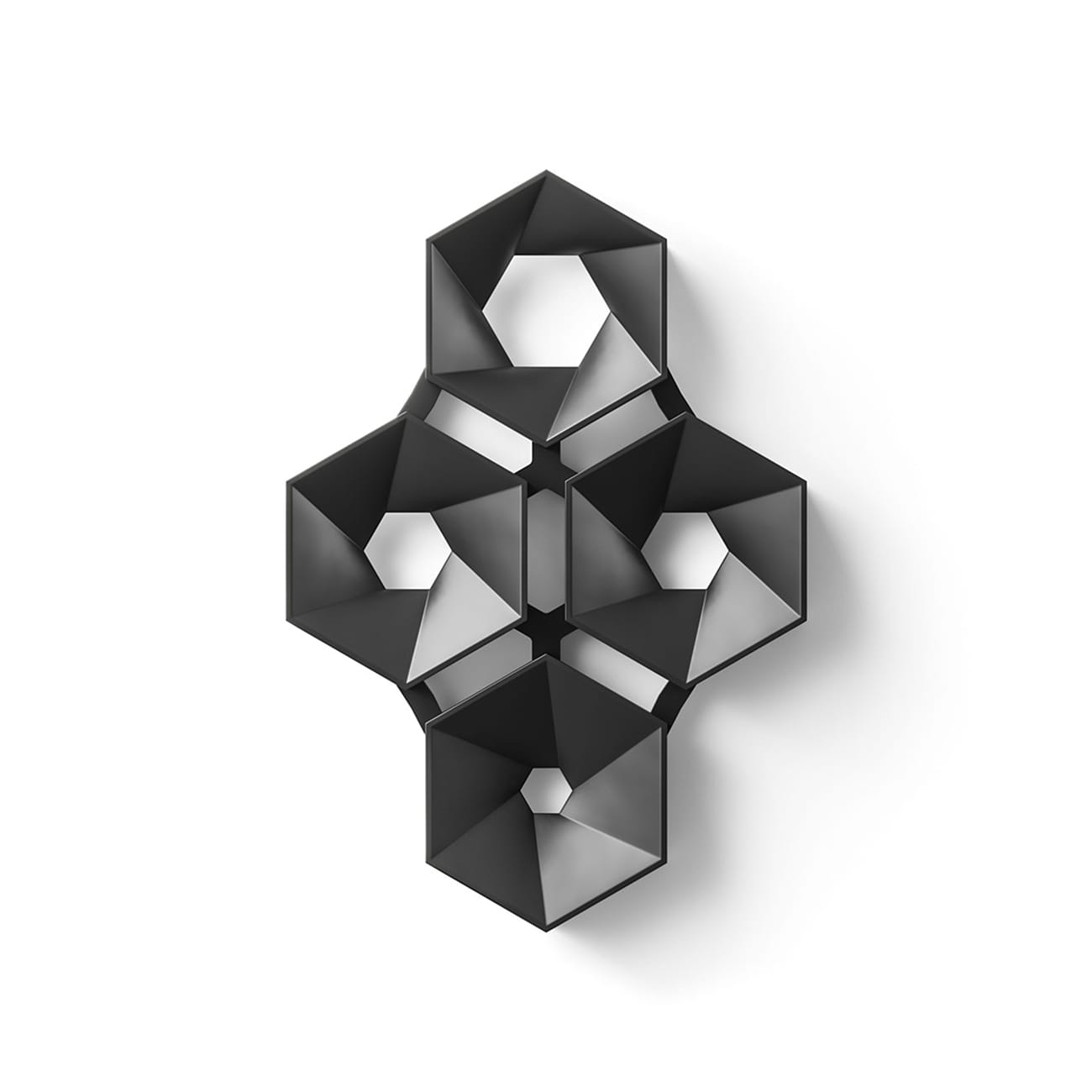
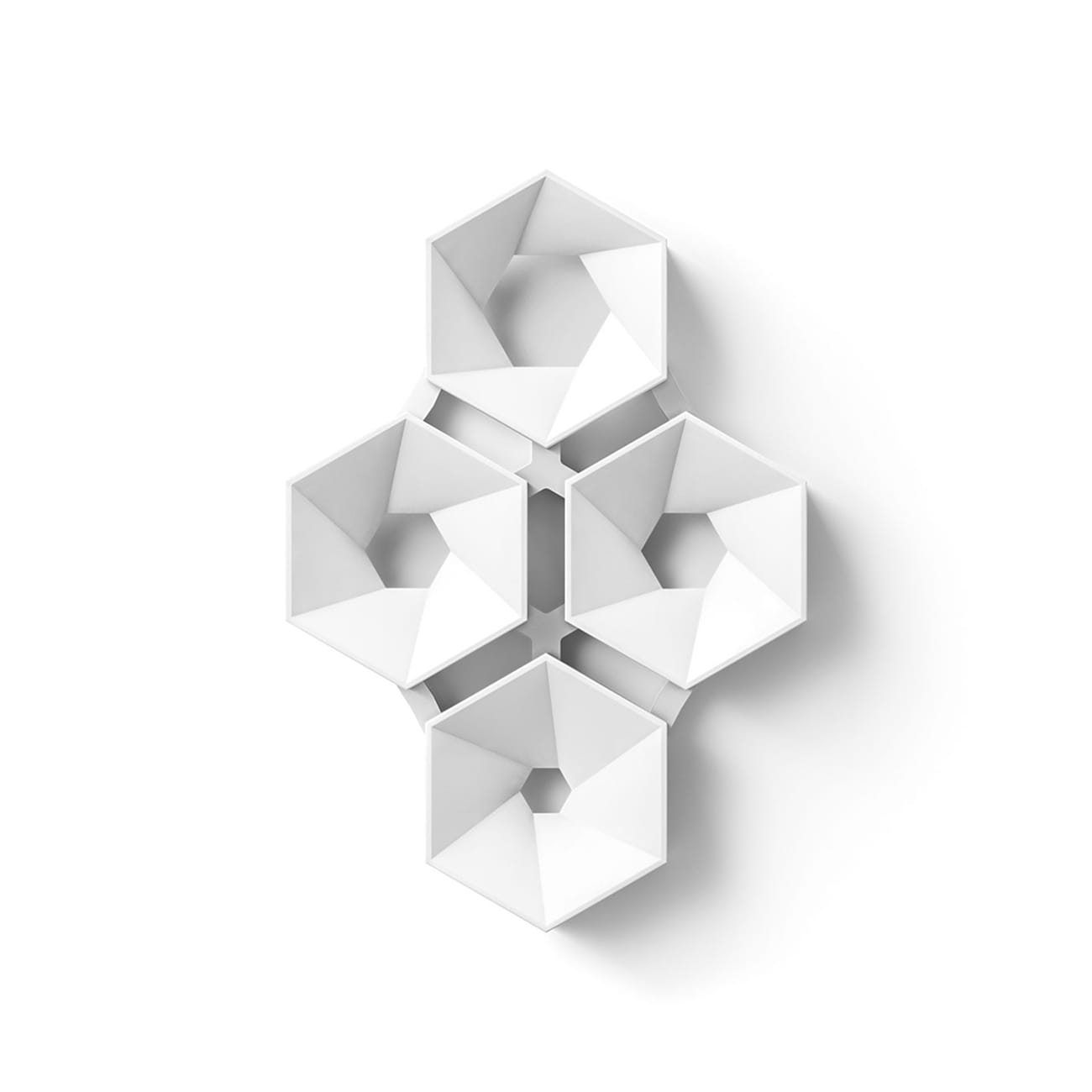
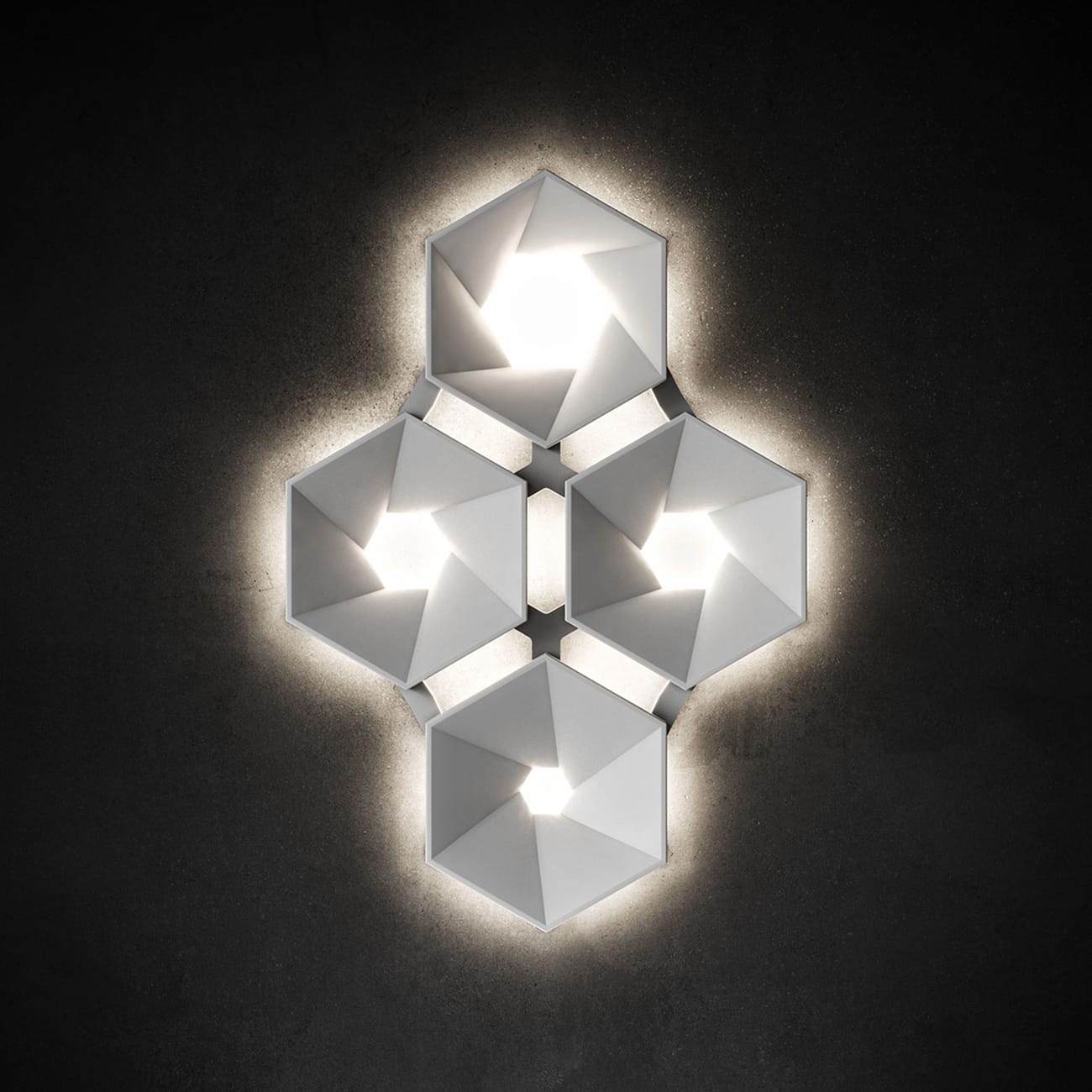







In interiors
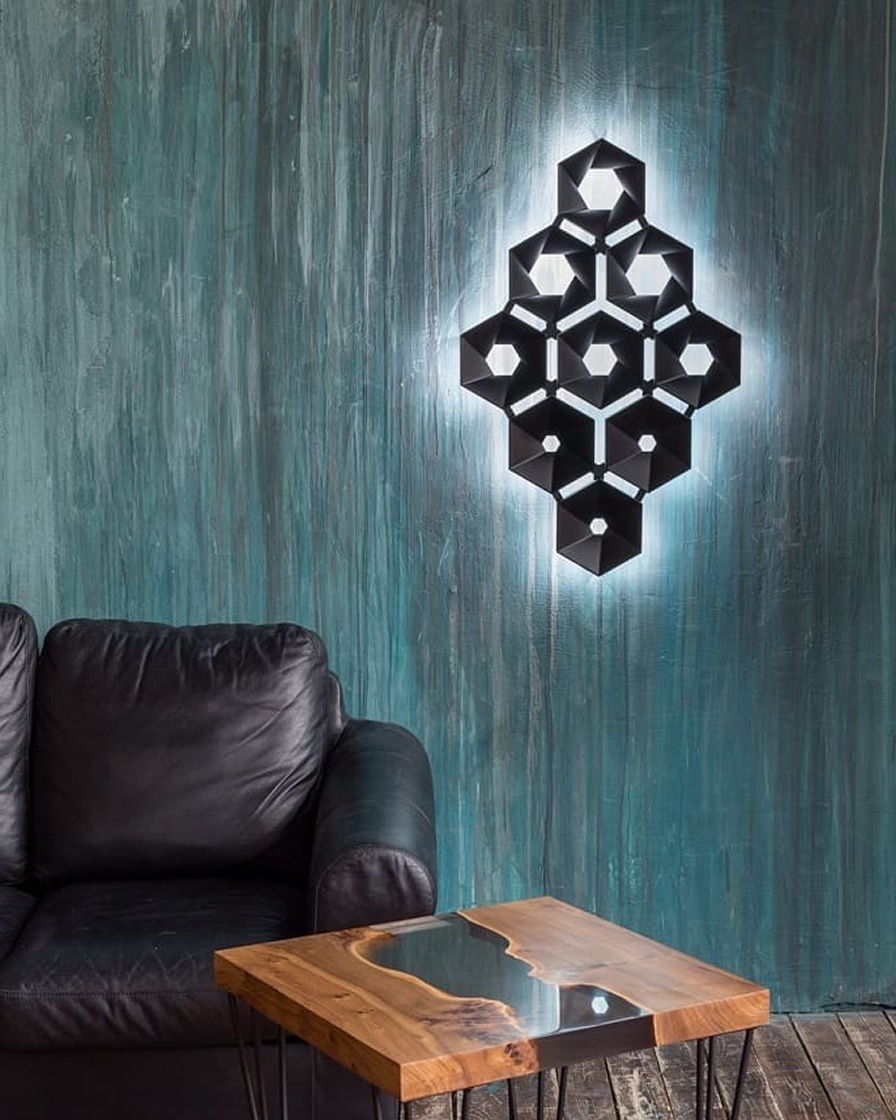
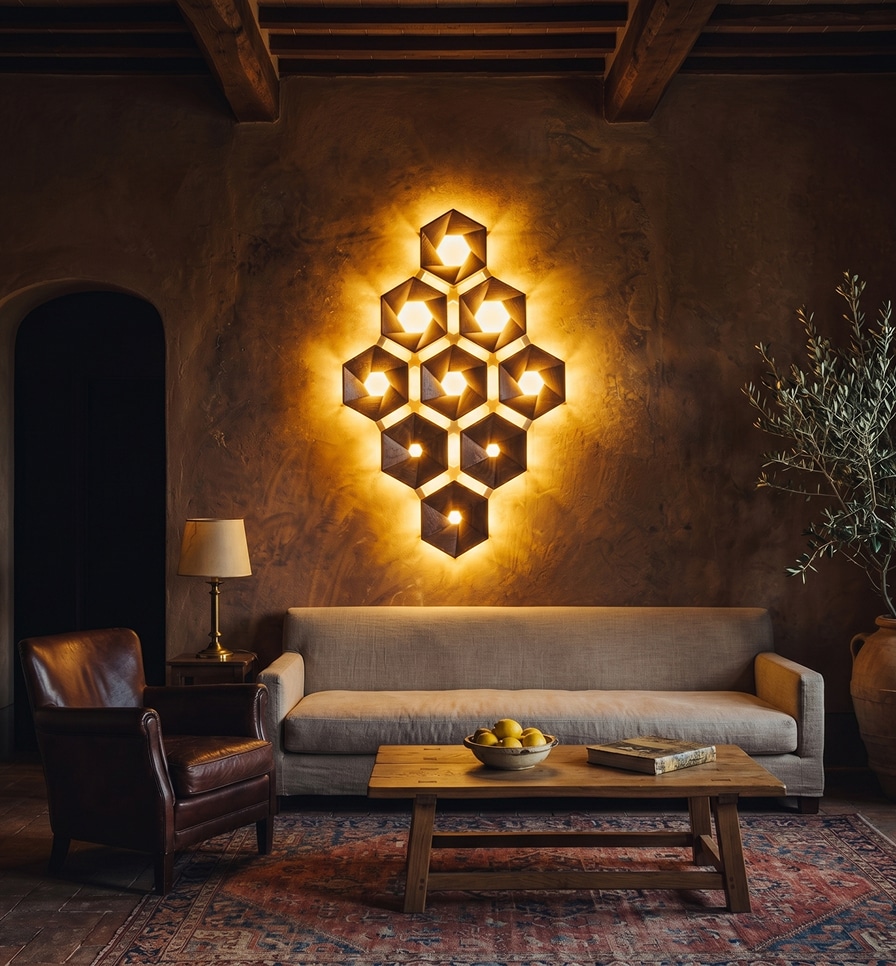
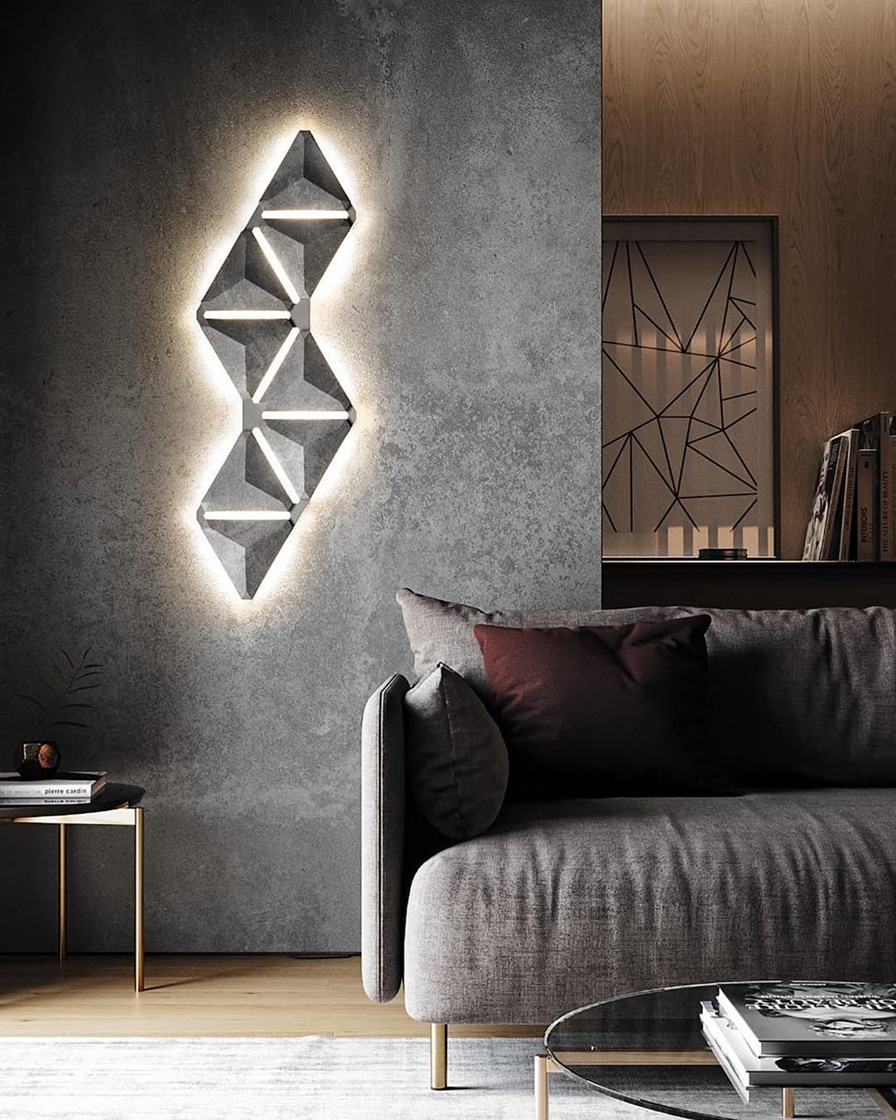
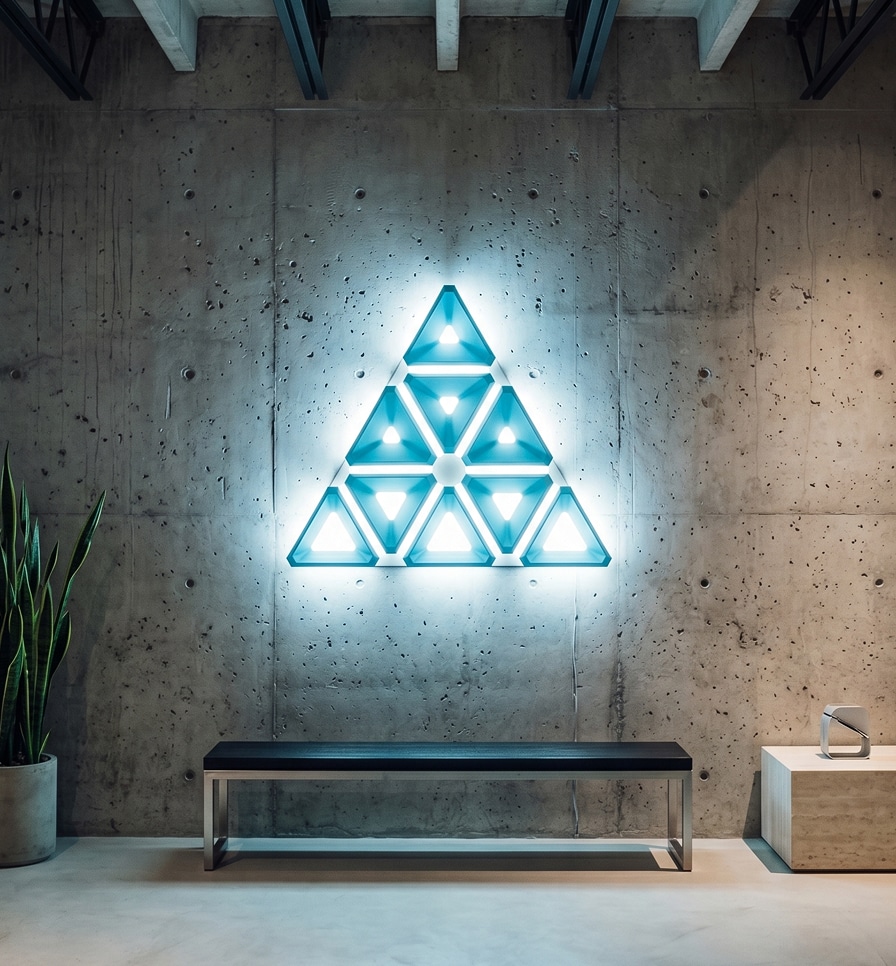
A look at how the lamps live in real interiors.
Results
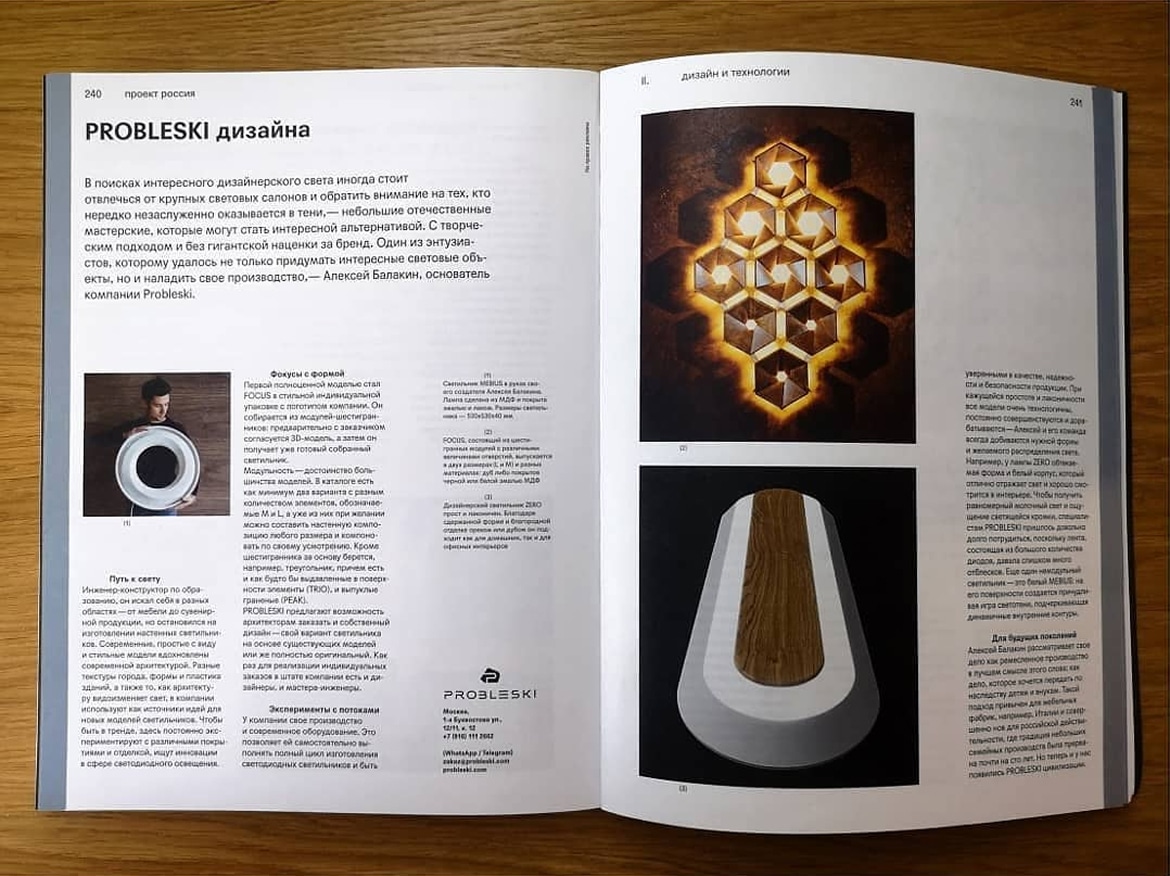
The project grew into the PROBLESKI brand. Industry recognition: Lexus Design Award 2020 — participant, shortlist, Russia Top Choice. Featured in a leading design publication. Mass production, sales, interior installations, reviews and referrals.